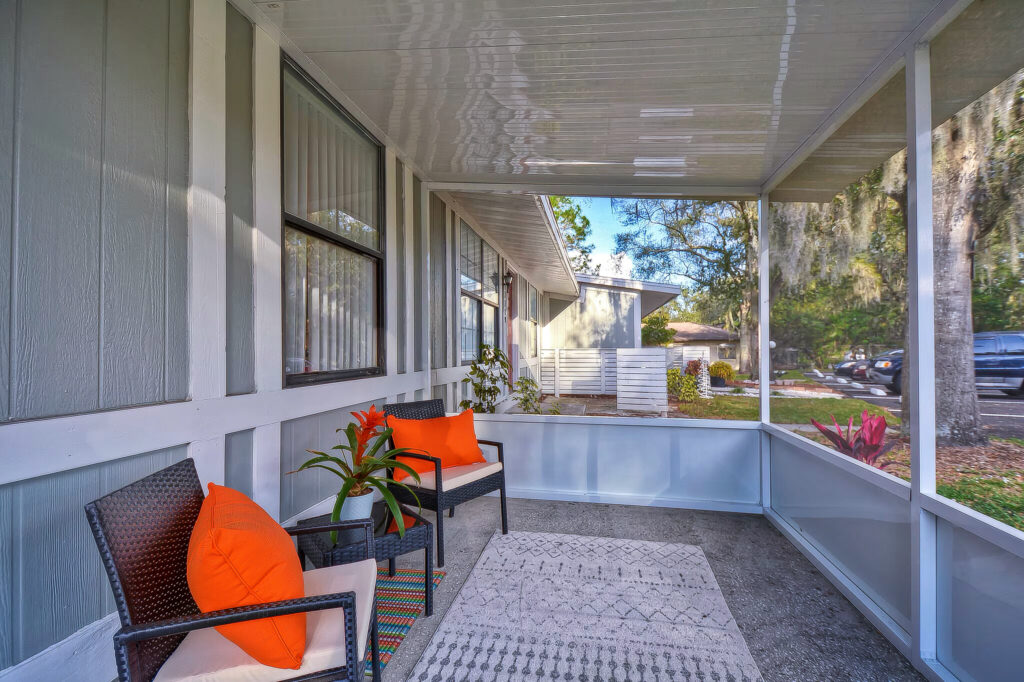
For those seeking a distinguished residential experience in Tampa, the concept of apartments with private entrances presents a compelling proposition. This article delves into the nuances of this housing typology, exploring its benefits, locational considerations, and the architectural and logistical elements that define it. The focus remains on providing a factual and comprehensive overview, akin to encyclopedic content, devoid of subjective praise or celebratory language.
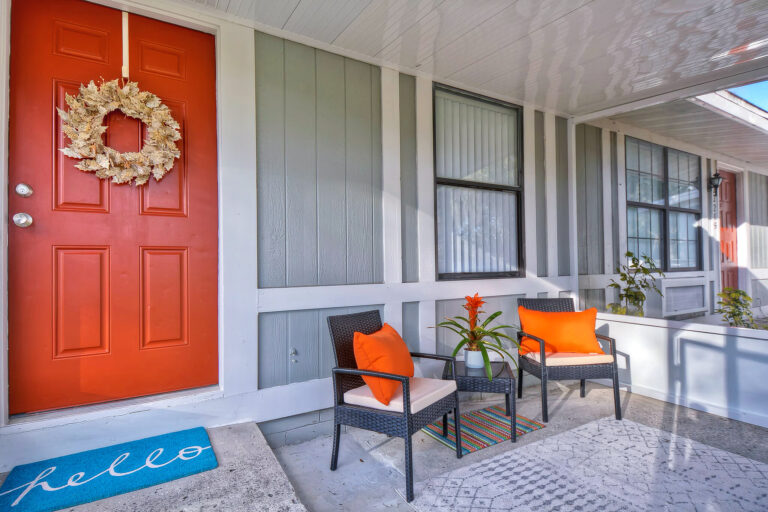
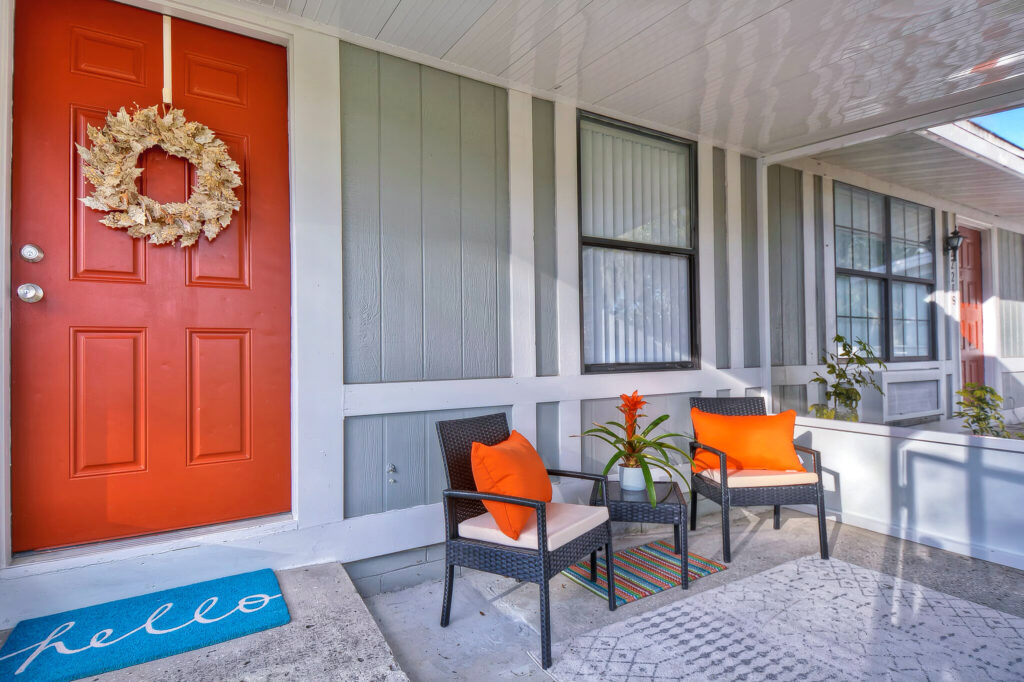
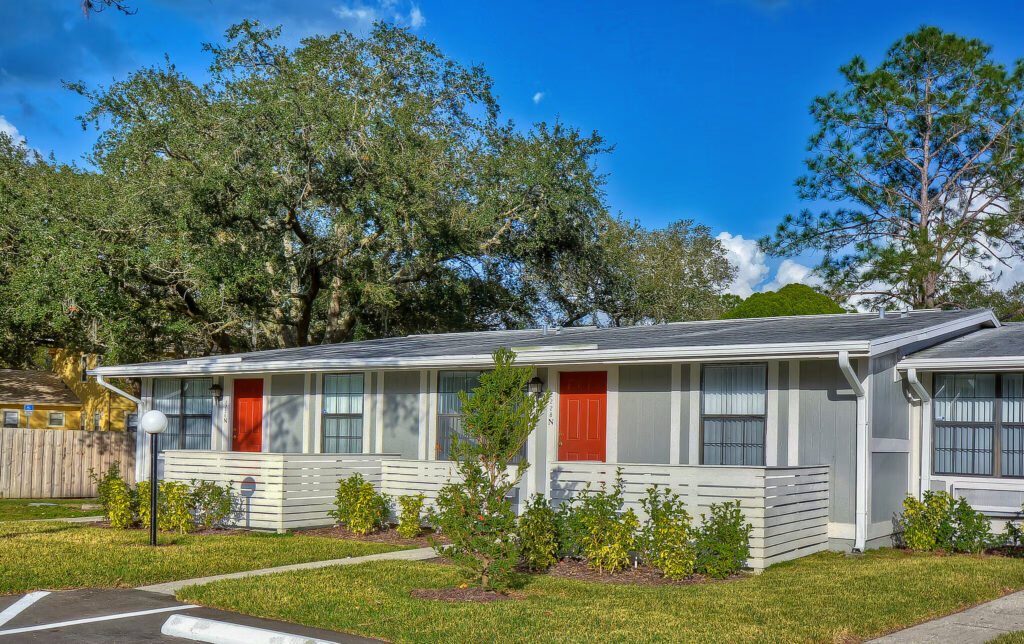
The term “private entrance apartment” signifies a dwelling unit that affords direct access from the exterior of a building, bypassing communal hallways, lobbies, or shared entry points. This architectural provision distinguishes such units from traditional multi-family dwellings where ingress and egress are typically facilitated through common areas. The autonomy of a private entrance operates as a direct conduit between the resident and the public sphere, a kind of immediate threshold.
Architectural Manifestations
Private entrances can manifest in various architectural forms within the Tampa urban fabric. Each configuration offers a distinct spatial relationship between the dwelling and its surroundings.
- Ground-Floor Units: These are perhaps the most archetypal examples, where the apartment occupies the ground level of a multi-story building and features a dedicated exterior door. This door typically opens directly onto a street, a courtyard, or a private patio. The ground-floor private entrance acts as a natural extension of the public realm, a seamless transition from outside to in.
- Townhouse-Style Apartments: In this configuration, individual units are stacked or adjoined, often spanning multiple levels within a larger complex. Each unit possesses its own street-facing entrance, similar in principle to a traditional townhouse. While forming part of a larger development, the internal structure and access are individualized. This arrangement offers a sense of vertical sovereignty within a horizontal community.
- Duplexes and Triplexes: Smaller multi-family structures, such as duplexes (two units) or triplexes (three units), frequently feature private entrances for each dwelling. These units often share a common building shell but maintain distinct and independent access points, fostering individual autonomy within a smaller shared structure.
- Garden Apartments: Often characterized by their proximity to communal green spaces or landscaped areas, garden apartments with private entrances are typically located on the ground floor and open directly onto these outdoor amenities. The private entrance here becomes a gateway to nature, a direct link to verdant spaces.
Functional Implications
A private entrance carries several functional implications that differentiate it from other apartment types. These implications impact aspects ranging from daily routines to long-term residency.
- Enhanced Privacy: The absence of shared entryways inherently mitigates daily interactions with co-residents, bolstering personal privacy. This reduces unsolicited encounters and offers a greater degree of control over one’s immediate environment. It’s a personal cocoon, insulated from the main thoroughfares of communal living.
- Convenience and Accessibility: Direct access streamlines daily routines, particularly for loading and unloading, pet owners, or individuals with mobility considerations. The direct path negates the need to navigate communal corridors or elevators, offering a more immediate connection to the outside world. This direct pathway acts as an intuitive channel for ingress and egress.
- Security Considerations: While private entrances offer direct access, they also necessitate specific security measures. The absence of a monitored lobby or concierge necessitates robust individual door security, potentially including multi-point locks, alarm systems, and external lighting. The front door of a private entrance apartment becomes the primary bastion of personal security.
- Noise Mitigation: The separation from common hallways can potentially reduce noise transference from neighboring units. Foot traffic, conversations, and other ambient sounds associated with shared entry points are minimized, contributing to a quieter living environment. This architectural separation acts as an acoustic buffer.
Locational Factors in Tampa
The availability and characteristics of private entrance apartments in Tampa are inextricably linked to specific geographical and developmental patterns within the city. Tampa’s diverse urban landscape offers varying concentrations of this housing type.
Urban Core and Downtown Areas
While the urban core of Tampa, particularly the downtown district, is largely characterized by high-rise residential towers with communal lobbies, some developments do incorporate ground-floor units with private street-facing entrances. These are often integrated into mixed-use buildings, providing a more pedestrian-friendly interface at the street level. The design intent here is often to activate the streetscape and foster a sense of urban neighborhood.
- Street-Level Integration: In areas like Downtown or Water Street, newer developments may feature podium-style buildings where the ground floor is dedicated to retail or hospitality, but select residential units on the same level open directly onto the sidewalk. This design contributes to the vibrancy of the urban environment. The private entrance here acts as a storefront for living, directly engaging with the public thoroughfare.
- Historic Districts: Certain historic districts within Tampa, such as parts of Ybor City or Hyde Park, feature older multi-family structures, including converted homes or smaller apartment buildings, where individual units retain separate entrances. These often reflect earlier architectural conventions where multi-unit dwellings were designed with a more individualized approach. These historic private entrances are relics of a bygone era, repurposed for contemporary living.
Suburban and Neighborhood Enclaves
Moving beyond the immediate urban core, suburban and established neighborhood enclaves in Tampa present a greater prevalence of private entrance apartments, particularly in the form of garden apartments, duplexes, and townhouse-style complexes.
- Garden Apartment Complexes: Many suburban developments from the mid to late 20th century were designed with garden apartment layouts, where units on the ground floor often have direct access to shared green spaces and individual entrances. These complexes prioritize a sense of community while still offering individual unit autonomy. The private entrance here is a gateway to shared nature.
- Townhome Developments: The proliferation of townhome communities throughout Tampa’s suburban fringes means a significant portion of these units inherently possess private, street-level entrances. While sharing shared walls, the vertical separation and individual access define this housing type. The private entrance in a townhome development signifies individual ownership of a vertical slice of the community.
- Converted Single-Family Homes: In mature neighborhoods, single-family homes are sometimes converted into multi-unit dwellings (e.g., duplexes or triplexes). In such cases, each unit typically retains or is allocated its own distinct exterior entrance, preserving a sense of individual residency. These conversions often blend historical charm with multi-unit functionality. The repurposed private entrance reflects the adaptive reuse of existing structures.
Proximity to Amenities
The appeal of private entrance apartments in Tampa can also be amplified by their strategic positioning relative to local amenities. Proximity to parks, commercial districts, and transit options can further enhance the perceived value and practicality of these dwellings.
- Walkability: Units with private entrances located in walkable neighborhoods offer seamless access to local businesses, restaurants, and public transportation without the need for extensive travel through internal building common areas. The private entrance becomes a direct portal to the neighborhood’s heartbeat.
- Outdoor Spaces: For units opening directly onto private patios, communal courtyards, or even public parks, the private entrance serves as a direct conduit to outdoor living spaces, a significant amenity in Tampa’s climate. This direct link to the outdoors transforms the apartment into a sanctuary with an open-air extension.
Benefits and Drawbacks

A balanced perspective necessitates an examination of both the advantages and potential disadvantages associated with private entrance apartments. No housing typology is without its trade-offs; understanding these is crucial for an informed decision.
Advantages
The benefits of private entrances are often cited as a primary motivator for individuals seeking this specific housing type. These advantages span practical, lifestyle, and aesthetic considerations.
- Sense of Homeownership: Even within a rental context, a private entrance can instill a heightened sense of individual ownership and belonging. It mimics the experience of a single-family home or townhouse, contributing to a more established feeling of residency. The private entrance functions as a psychological anchor, grounding the resident within their personal domain.
- Direct Access to Outdoors: For ground-floor units, the private entrance provides immediate access to exterior spaces, whether a private patio, a shared garden, or the street itself. This is particularly advantageous for pet owners, those with small children, or individuals who value seamless interaction with the outdoors. This direct access serves as a bridge between the interior sanctuary and the exterior world.
- Reduced Foot Traffic and Noise: As previously mentioned, the absence of shared hallways significantly reduces ambient noise and foot traffic associated with communal living, contributing to a more tranquil home environment. This architectural partitioning acts as a sonic barrier.
- Simplified Deliveries and Services: Package deliveries, grocery services, and other domestic service providers can access the unit directly without navigating building lobbies or relying on intercom systems, enhancing convenience and efficiency. The private entrance becomes a dedicated service portal.
- Accessibility for Mobility Impaired: Ground-floor units with private entrances, particularly those designed to be barrier-free, offer superior accessibility for individuals with mobility challenges, eliminating the need for elevators or ramps within common areas. This direct access provides an unimpeded pathway for all.
Disadvantages
While offering numerous benefits, private entrance apartments also present certain considerations that may be perceived as drawbacks by some prospective residents. These generally revolve around security, maintenance, and community interaction.
- Enhanced Security Responsibilities: With private entrances, the onus of securing the individual entry point falls solely on the resident. Unlike buildings with doormen, concierges, or monitored lobbies, the resident is the primary custodian of their initial security perimeter. The front door of a private entrance unit is the sole sentinel against intrusion.
- Exposure to Elements: Unlike units accessed via internal corridors, private entrance units are directly exposed to the external environment, including weather conditions, street noise, and pedestrian traffic. This direct engagement with the outside necessitates a higher degree of insulation and noise mitigation measures. The private entrance is an interface with the raw elements of the external world.
- Limited Communal Amenities (Potentially): In some developments, particularly smaller complexes or converted homes, units with private entrances might not have access to the same array of communal amenities (e.g., fitness centers, pools, clubhouses) as larger, more amenity-rich buildings with shared lobbies. The private entrance implies a degree of self-sufficiency.
- Less Sense of Community (Potentially): The lack of shared entryways and lobbies can sometimes reduce incidental interactions with neighbors, potentially leading to a less cohesive sense of community compared to buildings where residents frequently encounter each other in common areas. The private entrance fosters individual solitude, sometimes at the expense of communal connection.
- Pest Control Challenges: Ground-floor units with direct exterior access may be more susceptible to pests. Proactive pest control measures and vigilant maintenance by both residents and property management are crucial. The private entrance can, at times, become an unintended gateway for uninvited guests from the natural world.
Considerations for Prospective Residents

For individuals contemplating a private entrance apartment in Tampa, several factors warrant careful consideration. These range from assessing individual lifestyle needs to evaluating the specifics of property management and neighborhood context.
Lifestyle Alignment
The suitability of a private entrance apartment is heavily dependent on one’s personal lifestyle and preferences. It is not a universal solution but a specialized offering.
- Privacy vs. Community: Prospective residents must weigh their desire for enhanced privacy against their appetite for incidental community interaction. If a highly private and self-contained living experience is paramount, a private entrance unit is often a strong fit.
- Pet Ownership: For pet owners, the direct outdoor access provided by most private entrance units, particularly those on the ground floor, is a significant convenience. This direct access simplifies routines and enhances the quality of life for both pet and owner.
- Work-from-Home Dynamics: Individuals working from home may find the reduced distractions and enhanced quietude of a private entrance unit conducive to productivity. The separation from internal building traffic can create a more focused work environment.
Neighborhood and Property Management Evaluation
Beyond the unit itself, the broader context of the neighborhood and the quality of property management play a crucial role in the private entrance apartment experience.
- Neighborhood Vibe: Evaluate the immediate neighborhood’s characteristics: walkability, noise levels, lighting, and perceived safety. A private entrance unit directly interfaces with the street or common area, making the immediate environment particularly salient. The private entrance is an open window to the neighborhood’s soul.
- Security Infrastructure: Inquire about the property’s overall security measures, including lighting, surveillance (if any), and response protocols for emergencies. Supplementing individual unit security with broader property safeguards is a wise approach.
- Maintenance and Responsiveness: Efficient property management is critical, especially for private entrance units where issues like exterior pest control, landscaping of immediate outdoor areas, and exterior building maintenance directly impact the resident’s experience. The quality of maintenance directly affects the longevity and comfort of the resident’s private domain.
- HOA/Condo Association Rules: If the unit is part of a homeowners association (HOA) or condominium association, thoroughly review the rules and regulations, particularly concerning exterior alterations, noise ordinances, and the use of private outdoor spaces. These rules govern the permissible boundaries of individual autonomy within a shared framework.
Long-Term Value and Resale Potential
For those considering ownership of a private entrance apartment (such as a privately owned condo or townhouse unit), the long-term value and resale potential are important financial considerations.
- Market Demand: Private entrance apartments often command a premium due to their desirability and functional advantages. Assess the local market demand in Tampa for this specific housing type to understand its potential for appreciation.
- Uniqueness: The unique offering of a private entrance can differentiate a property in a competitive market, potentially attracting a specific segment of buyers or renters seeking these distinct characteristics. The private entrance unit stands as an individual beacon in the residential landscape.
In conclusion, private entrance apartments in Tampa offer a distinct residential experience characterized by enhanced privacy, direct outdoor access, and a heightened sense of autonomy. While presenting specific security and maintenance considerations, these units appeal to a demographic prioritizing a self-contained and convenient living environment. Such architectural provisions function as a testament to the diverse range of housing solutions available in the Tampa metropolitan area, each designed to cater to a particular matrix of needs and preferences.
FAQs
What are apartments with private entrances in Tampa?
Apartments with private entrances in Tampa are residential units that feature a separate, individual entryway, allowing tenants direct access to their apartment without sharing a common hallway or lobby with other residents.
What are the benefits of having a private entrance in an apartment?
Private entrances offer increased privacy, convenience, and security. They allow residents to come and go without disturbing neighbors, reduce foot traffic in shared areas, and often provide a more home-like feel compared to traditional apartment layouts.
Are apartments with private entrances more expensive in Tampa?
Apartments with private entrances can sometimes be priced higher due to the added privacy and convenience they offer. However, rental costs vary widely depending on location, size, amenities, and the specific neighborhood within Tampa.
Where in Tampa can I find apartments with private entrances?
Apartments with private entrances can be found throughout Tampa, including popular neighborhoods like Hyde Park, Seminole Heights, and South Tampa. Availability depends on the local housing market and specific apartment communities.
Do apartments with private entrances in Tampa typically include outdoor space?
Many apartments with private entrances in Tampa include some form of outdoor space, such as a patio, balcony, or small yard, enhancing the private and independent living experience. However, this varies by property and should be confirmed with the landlord or leasing office.