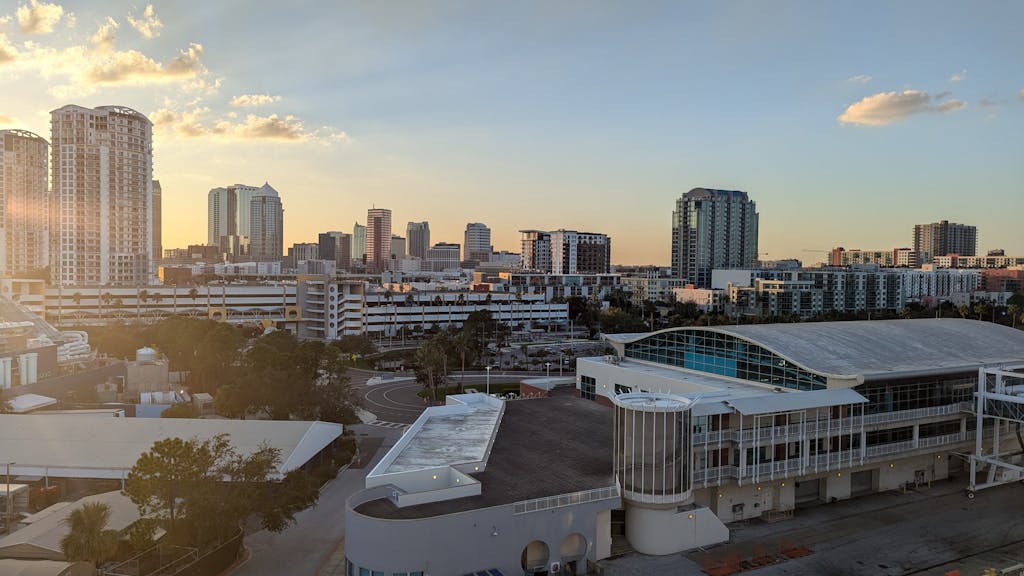
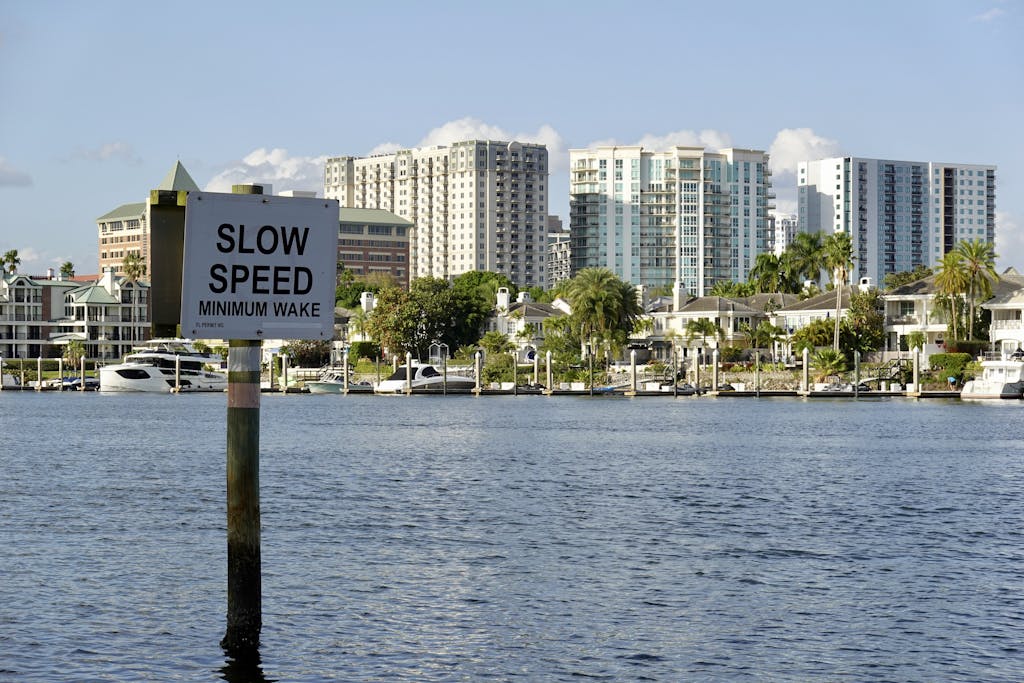
Living in an apartment in Tampa, Florida, offers a vibrant lifestyle and convenient access to numerous amenities. However, as with any urban environment, maintaining a secure living space is paramount. This article provides a comprehensive guide to enhancing the safety and security of your apartment, transforming it from a mere dwelling into a fortified sanctuary. Understanding the potential risks and implementing proactive measures can significantly contribute to your peace of mind and well-being.
Your apartment’s doors and windows are the primary gateways visitors use to enter and, unfortunately, potential intruders might exploit. Treating these entry points with robust security measures is the first line of defense.
Understanding Door Security
The primary door to your apartment is your first and most crucial barrier. Its integrity directly impacts your overall security.
Reinforcing the Door Itself
The physical strength of your apartment door is a significant factor. While you may not have a choice in the material of your apartment door, understanding its vulnerabilities can guide your security efforts. Solid core doors are generally more resistant to forced entry than hollow core doors. If your door is notably lightweight, consider discussing potential upgrades with your landlord, although this is often outside a tenant’s direct control. Focus on what you can control.
The Importance of Deadbolts
A deadbolt lock is a non-negotiable component of apartment security. This type of lock, typically operated by a key on both sides, extends a solid metal bolt into the door frame, making it exceptionally difficult to kick or pry open.
Selecting the Right Deadbolt
Ensure your deadbolt has a minimum throw of one inch; this is the length the bolt extends into the strike plate. The ANSI Grade 1 rating signifies the highest level of security and durability for residential locks, indicating it has undergone rigorous testing for resistance to picking, bumping, and forced entry. If your apartment already has a deadbolt, verify its functionality and consider upgrading if it appears old or worn.
Install a Peephole
A wide-angle peephole allows you to see who is outside without opening the door. This simple yet effective tool prevents you from inadvertently inviting trouble. Ensure it offers a clear and unobstructed view. If your door lacks a peephole, speak with your landlord about installing one.
Securing Sliding Glass Doors
Sliding glass doors, while offering aesthetic appeal and access to balconies or patios, can be a security weakness. They are often easier to dislodge or bypass than traditional hinged doors.
Complementary Locking Mechanisms
Beyond the built-in latch, consider installing a secondary locking device. A Charley bar or a telescoping security bar, which braces the sliding door track, can prevent it from being opened even if the primary lock is defeated. These are relatively inexpensive and easy to install and remove.
Anti-Jump Devices
To prevent the door from being lifted off its track, anti-jump devices can be installed. These are small metal or plastic pieces that fit into the door frame, obstructing upward movement.
Window Security Strategies
Windows, especially those on lower floors, are potential points of vulnerability. They offer access to light and ventilation but also an entry point for unauthorized individuals.
Reinforcing Window Locks
Standard window latches can sometimes be flimsy or easily manipulated. Ensure all your window latches are functioning correctly and consider reinforcing them.
Window Security Bars
For ground-floor windows or those easily accessible from the outside, consider installing security bars. These can be fixed or removable and provide a significant deterrent. Ensure they are installed professionally and to building codes.
Window Film for Deterrence
Applying security film to your windows can make them shatter-resistant. While it won’t stop a determined attacker, it can significantly slow down entry and deter opportunistic break-ins by making the glass harder to break cleanly.
Ventilation Stays
For windows that you want to leave partially open for ventilation, especially at night, ventilation stays can be used. These restrict the window opening to a few inches, allowing airflow while preventing easy passage.
Enhancing Interior Deterrence
Beyond securing entry points, proactive measures within your apartment can discourage potential intruders and alert you to their presence. A well-lit and visibly secure apartment signals that it is not an easy target.
Smart Lighting Solutions
Lighting plays a dual role in apartment security: deterring potential criminals and providing visibility for residents.
Motion-Activated Lights
Motion-activated lights, particularly for entryways and balconies, can startle intruders and alert you to their presence. The sudden illumination can be enough to make them retreat.
Timers for Occupancy Simulation
During extended absences, using timers to turn lights on and off at various times can create the illusion of occupancy. This is a low-tech but effective way to discourage burglars who often target unoccupied homes.
The Role of Visible Security Measures
The mere presence of security devices can act as a powerful deterrent. Criminals often look for the path of least resistance.
Security System Signage
Even if you don’t have a full-fledged alarm system, displaying decals or signs indicating the presence of a security system can make your apartment less appealing to potential burglars.
Visible Cameras (Real or Dummy)
The sight of a camera, whether functional or a realistic dummy, can be a strong deterrent. Strategically placed cameras can create the impression of constant surveillance.
Securing Valuables and Personal Information
Even with robust physical security, safeguarding your belongings and personal data is crucial.
In-Home Safe Options
For high-value items such as jewelry, important documents, or significant amounts of cash, consider investing in a home safe. Ensure it is bolted to the floor or wall to prevent it from being removed.
Digital Security Best Practices
In today’s interconnected world, digital security is as important as physical security. Protect your Wi-Fi network with a strong password and enable two-factor authentication on all your online accounts. Be mindful of what information you share online, as this can inadvertently provide clues to your whereabouts or possessions.
Leveraging Technology for Safety

In the digital age, technology offers a wealth of tools to augment apartment security, providing advanced monitoring and communication capabilities.
Smart Home Security Devices
The proliferation of smart home technology has made advanced security features more accessible and user-friendly.
Smart Locks
Smart locks offer keyless entry and the ability to grant temporary access to trusted individuals. Many come with features like activity logs, remote locking/unlocking via smartphone, and integration with other smart home devices.
Security Cameras (Indoor and Outdoor)
Smart security cameras provide real-time video feeds accessible from your smartphone. Look for models with features like night vision, motion detection alerts, and two-way audio. Outdoor cameras can monitor your apartment’s exterior, while indoor cameras offer peace of mind when you’re away.
Smart Doorbell Cameras
A smart doorbell camera allows you to see and speak to visitors at your door remotely. This is invaluable for screening visitors and deterring unsolicited callers.
Alarm Systems and Monitoring
While some apartments come with pre-installed alarm systems, many require tenants to install their own.
DIY Alarm Systems
Many companies offer easy-to-install DIY alarm systems that can be managed via a smartphone app. These systems often include door and window sensors, motion detectors, and even integrated cameras.
Professional Monitoring Services
For an additional layer of security, consider a professional monitoring service. These services alert authorities in the event of a break-in or other emergency. Choose a reputable provider with a proven track record.
The Role of Internet Connectivity
Reliable internet is the backbone of many smart security systems.
Secure Wi-Fi Network
Ensure your home Wi-Fi network is secured with a strong, unique password. Avoid using default passwords provided by your internet service provider.
Router Security Settings
Regularly update your router’s firmware to patch security vulnerabilities. Consider changing the default IP address and disabling remote management features if not needed.
Building a Community of Safety

While individual security measures are vital, fostering a strong sense of community within your apartment building can significantly enhance safety for everyone. A watchful and connected community acts as an extra set of eyes.
Knowing Your Neighbors
The simplest yet most effective security measure is often knowing the people around you.
Building Rapport
Take the time to introduce yourself to your neighbors. A friendly greeting can go a long way. When you know who belongs in the building, you are more likely to notice and report suspicious activity.
Sharing Contact Information
With consent, exchange phone numbers with trusted neighbors. This can facilitate quick communication in case of emergencies or suspicious events.
Leveraging Apartment Management
Your apartment management company or landlord often has resources and responsibilities related to building security.
Understanding Building Security Policies
Familiarize yourself with your apartment complex’s security policies and procedures. This might include information about on-site security personnel, surveillance systems, or common area access controls.
Reporting Concerns Promptly
If you notice any security deficiencies in common areas, such as broken lighting, damaged doors, or unsecured gates, report them to management immediately. Timely reporting can prevent potential security breaches.
Participating in Building Security Initiatives
Active participation in building-wide safety programs can create a more secure environment for all residents.
Neighborhood Watch Programs
If your apartment building or complex has a formal or informal neighborhood watch program, consider joining it. These programs encourage residents to be vigilant and report suspicious activity to designated contacts or law enforcement.
Community Meetings
Attend any building or community meetings that address safety and security. These forums are opportunities to voice concerns, share information, and collaborate on solutions.
Maintaining Vigilance and Preparedness
Security is not a one-time endeavor; it is an ongoing commitment. Regular maintenance of security measures and a preparedness mindset are crucial for long-term safety.
Regular Security System Checks
Treat your security systems like your car; they need regular tune-ups.
Testing Alarms and Sensors
Periodically test your alarm system to ensure all sensors are functioning correctly and that the monitoring service (if applicable) is receiving signals. Follow the manufacturer’s instructions for testing.
Checking Locks and Hardware
Inspect door locks, window latches, and any other security hardware regularly for wear and tear. Address any loose screws, sticky mechanisms, or signs of damage immediately.
Emergency Preparedness
Beyond deterring crime, being prepared for emergencies can mitigate risks and ensure your safety during unforeseen events.
Fire Safety Measures
Ensure you know the location of fire exits and the proper use of fire extinguishers. Regularly check smoke detector batteries and test their functionality.
Evacuation Plans
Develop a personal evacuation plan for your apartment and the building. Know multiple escape routes. Practice this plan with household members.
Creating an Emergency Kit
Assemble an emergency kit with essentials such as water, non-perishable food, a first-aid kit, flashlight, batteries, and any necessary medications. This ensures you are prepared for situations where you might be without power or access to resources.
By implementing these comprehensive strategies, you can transform your Tampa apartment into a secure and comfortable haven. A layered approach, combining physical security, technological solutions, community engagement, and ongoing vigilance, creates a formidable defense against potential threats. Remember, an ounce of prevention is worth a pound of cure, and by proactively addressing security concerns, you invest in your peace of mind and the safety of your home.
FAQs
What safety features should I look for in an apartment in Tampa?
When searching for a safe apartment in Tampa, consider features such as secure entry systems (key fobs or coded access), well-lit common areas and parking lots, surveillance cameras, on-site security personnel, and smoke and carbon monoxide detectors in each unit.
How can I verify the safety of a neighborhood in Tampa before moving?
You can check local crime statistics through Tampa Police Department resources or online crime mapping tools. Additionally, visiting the neighborhood at different times of day and speaking with current residents can provide insight into the area’s safety.
Are there specific emergency preparedness measures recommended for Tampa apartments?
Yes, due to Tampa’s susceptibility to hurricanes and flooding, it is important that apartments have clear evacuation plans, storm shutters or impact-resistant windows, and accessible emergency supplies. Residents should also have a personal emergency kit and stay informed about local weather alerts.
What steps can residents take to enhance their personal safety in Tampa apartments?
Residents can improve personal safety by locking doors and windows at all times, using peepholes or security cameras before opening doors, reporting suspicious activity to management or authorities, and getting to know neighbors to build a community watch environment.
Does renters insurance cover safety-related incidents in Tampa apartments?
Renters insurance typically covers personal property loss due to theft, fire, or certain natural disasters, and may provide liability protection if someone is injured in your apartment. It is advisable to review specific policy details to understand coverage related to safety incidents in Tampa.