Flexible Living: Navigating the 7-to-9 Month Lease for Traveling Professionals

Short-term leasing, a dynamic and increasingly prevalent housing solution, offers a distinct alternative to traditional long-term rentals and hotel accommodations, particularly in thriving metropolitan areas like Tampa, Florida. This article will meticulously examine the landscape of short-term leasing in Tampa, dissecting its various facets, benefits, challenges, and the regulatory environment that shapes it. Understanding this market requires a discerning eye, as it caters to a diverse array of needs, from business travelers seeking temporary residences to individuals undergoing life transitions. It is a market characterized by flexibility, adaptation, and a nuanced interplay of supply and demand.

To navigate the complexities of Tampa’s short-term leasing market effectively, a precise understanding of its definition is paramount. Unlike a typical 12-month lease, short-term leasing in this context generally refers to rental agreements spanning from a few weeks to several months, typically less than one year. These arrangements often include fully furnished units, encompassing everything from essential furniture to kitchenware and utilities, thereby minimizing the logistical burdens often associated with relocating.

Distinguishing Short-Term from Other Rental Types

It is crucial to differentiate short-term leases from other common rental paradigms.

Hotels and Extended Stay Hotels

While sharing some superficial similarities, short-term leases differ significantly from hotels and extended stay hotels. Hotels primarily cater to transient guests, offering daily rates and a multitude of on-site services, often at a premium. Extended-stay hotels provide a hybrid model, featuring larger rooms with kitchenettes for stays of several weeks. However, short-term leases, typically offered in apartment or condominium settings, provide a more authentic residential experience, often at a lower per-night cost for longer durations. They offer greater privacy, more expansive living spaces, and a sense of community often lacking in hotel environments.

Traditional Long-Term Leases

The most obvious distinction lies in the lease duration. Traditional long-term leases, typically 12 months or longer, necessitate a more significant commitment. Short-term leases, by their very nature, offer an exit ramp, allowing tenants to adapt to changing circumstances without penalty. This flexibility is a cornerstone of their appeal, acting as a buffer against unforeseen life events or evolving professional requirements. Long-term leases often require unfurnished units, demanding a substantial initial investment in furniture and household goods, a burden largely alleviated by short-term options.

Corporate Housing

Corporate housing, while often synonymous with short-term leasing, represents a specialized subset. These units are specifically tailored for business professionals on assignment, offering amenities and services designed to facilitate productivity and comfort during extended work trips. Many short-term leasing providers in Tampa offer corporate housing solutions, recognizing the significant presence of businesses and their need for temporary employee accommodation. This niche often includes services like housekeeping, high-speed internet, and access to business centers.

The Diverse Demography of Short-Term Tenants in Tampa

The appeal of short-term leasing in Tampa is not monolithic; rather, it resonates with a diverse spectrum of individuals and groups, each drawn by distinct motivations. Understanding these demographics is key to comprehending the market’s underlying dynamics.

Business Professionals and Relocating Employees

Tampa’s robust economy, fueled by sectors such as healthcare, finance, and technology, attracts a steady influx of business professionals. Many arrive on temporary assignments, consulting projects, or as part of a corporate relocation. For these individuals, short-term leasing offers a crucial stepping stone. It provides a stable base from which to acclimate to a new city, explore different neighborhoods, and eventually secure a permanent residence without the immediate pressure of a long-term commitment. This transitional phase is vital for both personal and professional integration.

Project-Based Workers

The gig economy and project-based employment models are increasingly prevalent. Professionals involved in construction projects, IT implementations, or creative endeavors lasting several months find short-term leases to be an ideal solution. These arrangements eliminate the financial strain and logistical complexities of extended hotel stays, providing a more semblance of home during demanding work periods.

Executives on Temporary Assignment

Senior executives often relocate for strategic company initiatives or departmental restructuring. Short-term leases provide them with high-quality, fully furnished accommodations that reflect their professional standing, while also allowing them to minimize disruption to their personal lives. These units often feature premium amenities and concierge services to cater to their specific needs.

Individuals Undergoing Life Transitions

Life’s most significant junctures often necessitate temporary housing solutions. Short-term leases act as an invaluable safety net during these periods of flux, offering stability amidst change.

Home Renovation or Construction

When undertaking extensive home renovations or new home construction, homeowners often find their primary residence uninhabitable for extended periods. Short-term leases provide a convenient and comfortable alternative, allowing families to remain in the area without the upheaval of a distant relocation or the confines of a hotel room. This preserves continuity in schooling, work, and social networks.

Divorce or Family Separation

During periods of marital dissolution or family separation, individuals often require temporary housing while legal and logistical arrangements are finalized. Short-term leases offer a private and independent space, facilitating a smoother transition during an emotionally challenging time. The flexibility of these leases allows individuals to adapt their housing needs as their circumstances evolve.

Medical Relocation or Treatment

Tampa is home to several prominent medical facilities, attracting individuals and families seeking specialized medical treatment or care. For those requiring extended stays for recovery, rehabilitation, or ongoing therapy, short-term leases provide a more comfortable and cost-effective alternative to hospital-adjacent hotels. These units often offer a more conducive environment for healing and family support.

Travelers and Seasonal Residents

Tampa’s allure as a tourist destination and its agreeable climate attract a significant number of seasonal residents and extended vacationers.

Snowbirds

Retirees and individuals seeking to escape harsh northern winters, affectionately known as “snowbirds,” frequently opt for short-term leases. These arrangements allow them to enjoy the warmer climate for several months without the commitment of homeownership or the transient nature of hotel living. Many cultivate communities within short-term rental complexes, fostering a sense of belonging during their seasonal stays.

Extended Vacations and Sabbaticals

Individuals embarking on extended vacations, sabbaticals, or gap years often seek short-term accommodations that offer more space, privacy, and cost-effectiveness than traditional hotels. This allows them to immerse themselves more deeply in the local culture and experience the city as a temporary resident rather than a mere visitor.

Advantages of Short-Term Leasing in Tampa

The decision to opt for a short-term lease is often driven by a constellation of compelling advantages, distinguishing it as a valuable housing solution in the Tampa market.

Flexibility and Reduced Commitment

The paramount advantage of short-term leasing is its inherent flexibility. Unlike the often-unyielding nature of a long-term lease, these agreements offer a shorter tether, allowing individuals to adapt their housing situation to fluid life circumstances.

Adaptability to Changing Plans

Life is often unpredictable, and short-term leases act as a safeguard against unforeseen changes in employment, family dynamics, or personal aspirations. If a job transfer occurs, a project concludes early, or personal circumstances shift, tenants are not encumbered by a lengthy lease obligation. This adaptability is particularly valuable in a dynamic economic environment.

No Long-Term Financial Burden

Committing to a year-long lease represents a significant financial commitment. Short-term leases mitigate this burden, allowing individuals to manage their finances with greater agility. This can be especially beneficial for those in transitional phases, where financial stability might be a work in progress.

Cost-Effectiveness Compared to Hotels

While potentially more expensive than a long-term lease on a per-month basis, short-term leases often represent a more economical choice than extended hotel stays, especially for durations exceeding a few weeks.

Lower Nightly Rates for Extended Stays

For stays of one month or longer, the nightly rate of a short-term lease unit in an apartment or condominium complex is typically significantly lower than that of even an extended-stay hotel. The cumulative savings can be substantial, making short-term leases a financially prudent decision for longer visits.

Included Utilities and Amenities

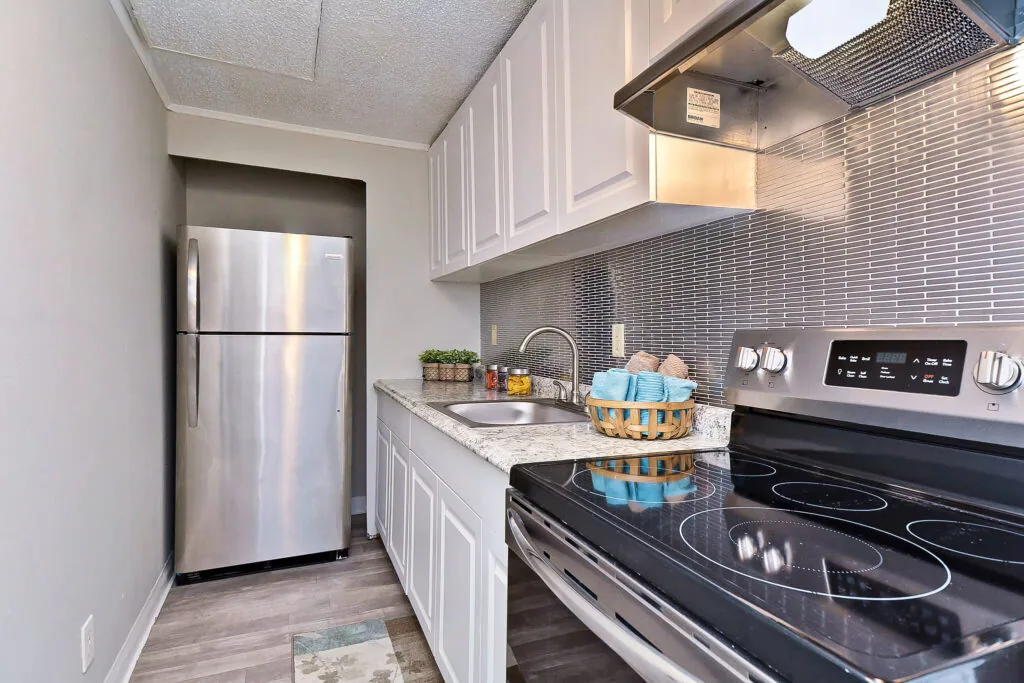
Many short-term leases are structured as “all-inclusive” packages, meaning utilities (electricity, water, internet) are bundled into the rental price. This simplifies budgeting and eliminates the often-surprising fluctuations of separate utility bills. Additionally, access to in-unit laundry facilities, fully equipped kitchens, and residential amenities like fitness centers and pools often come standard, further enhancing the value proposition.

Comfort and “Home Away From Home” Experience

Beyond mere shelter, short-term leases aim to provide a residential experience that fosters comfort and a sense of normalcy, a stark contrast to the often-impersonal ambiance of hotel rooms.

Fully Furnished Units

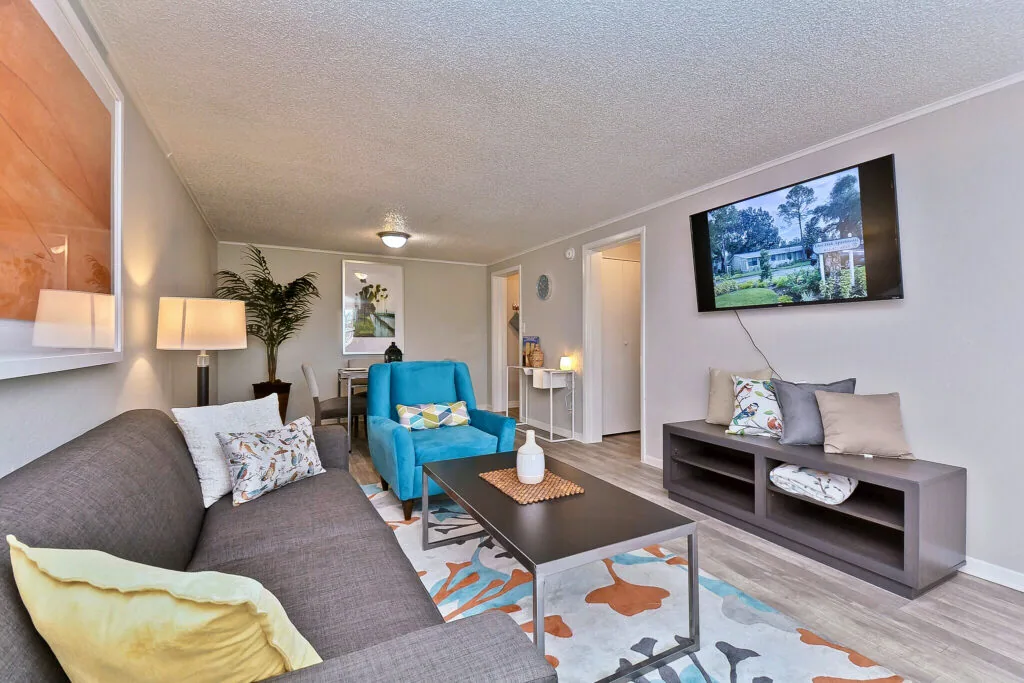
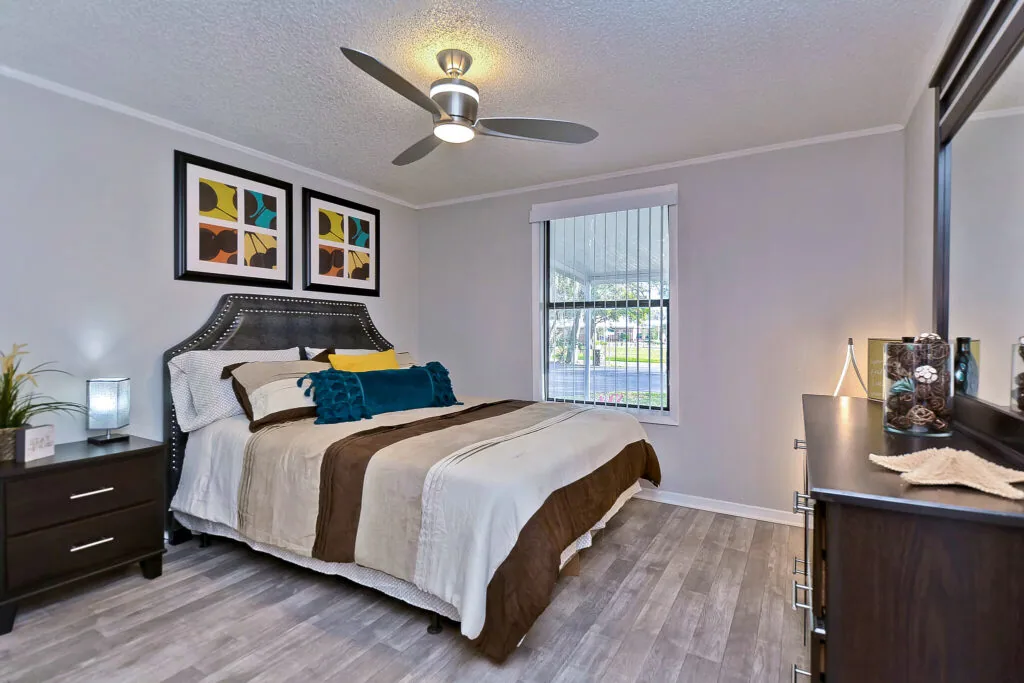
The provision of fully furnished units is a cornerstone of short-term leasing. This eliminates the need for tenants to purchase or transport furniture, housewares, and appliances, significantly reducing stress and logistical challenges. Moving in is often as simple as arriving with personal belongings, allowing for immediate integration into the living space.

More Space and Privacy

Unlike the often-cramped quarters of hotel rooms, short-term lease apartments typically offer separate living areas, bedrooms, and fully equipped kitchens. This expanded space provides greater comfort, privacy, and the ability to maintain a normal daily routine, including cooking meals and entertaining guests. The separation of living and sleeping areas contributes significantly to a higher quality of life during an extended stay.

Navigating the Tampa Short-Term Leasing Market

Embarking on the search for a short-term lease in Tampa requires a methodical approach, informed by an understanding of the market’s unique characteristics and potential pitfalls.

Key Factors to Consider When Searching

Several critical factors should guide your search for the ideal short-term lease, acting as navigational stars in the vast sea of options.

Location and Neighborhood Selection

Tampa’s diverse neighborhoods each possess distinct characteristics. Your choice of location should align with your primary purpose for being in the city. Downtown Tampa offers urban vibrancy, proximity to business districts, and cultural attractions. South Tampa boasts upscale residential areas and a vibrant dining scene. Clearwater and St. Petersburg, while technically distinct cities, fall within the broader Tampa Bay area and offer coastal living options. Consider proximity to work, schools, amenities, and desired lifestyle when making this crucial decision.

Budget and Pricing Structures

Short-term lease pricing can vary significantly based on location, unit size, amenities, and lease duration. Establish a realistic budget from the outset. Be aware that pricing structures may differ; some providers offer all-inclusive rates, while others itemize utilities or add additional fees for amenities. Always request a clear breakdown of all costs before committing. Seasonal fluctuations can also impact pricing, with peak tourist seasons often commanding higher rates.

Lease Terms and Conditions

Thoroughly review all lease terms and conditions. Pay close attention to the minimum and maximum lease durations, renewal options, cancellation policies, and any penalties for early termination. Understand the notice period required for vacating the property. Clarity on these aspects will prevent misunderstandings and potential financial repercussions.

Amenities and Included Services

Determine which amenities are essential for your comfort and convenience. Does the unit include in-unit laundry? Is a parking space provided? What are the building’s amenities (e.g., gym, pool, business center)? Clarify what services are included, such as professional cleaning, package delivery, or concierge assistance. These details significantly contribute to the overall quality of your living experience.

Finding Short-Term Lease Providers

The channels for discovering short-term lease opportunities are varied, encompassing both traditional and digital avenues.

Dedicated Short-Term Rental Platforms

Numerous online platforms specialize in short-term and corporate housing solutions. Websites like Apartments.com, Corporate Housing by Owner (CHBO), and local real estate agencies often feature dedicated sections for short-term rentals. These platforms typically offer advanced search filters, allowing you to narrow down options based on location, price, amenities, and lease duration.

Corporate Housing Companies

Several companies specialize in providing corporate housing solutions in Tampa. These providers often have a portfolio of properties specifically designed for business travelers and offer a higher level of service and standardization. Research reputable corporate housing providers in the Tampa Bay area for specialized assistance.

Local Real Estate Agents and Property Management Firms

Local real estate agents with expertise in rentals can be valuable resources. They often have access to a broader range of properties, including those not publicly advertised. Property management firms that manage apartment complexes sometimes offer short-term lease options for specific units, especially during slower rental periods or for corporate clients.

Regulatory Environment and Legal Considerations

The short-term leasing market, particularly in popular tourist destinations like Tampa, operates within a framework of evolving regulations. Understanding these legalities is crucial for both tenants and providers.

Local Ordinances and Zoning Laws

Local governments often impose specific ordinances and zoning laws to regulate short-term rentals. These regulations can dictate minimum stay requirements, licensing procedures, occupancy limits, and quiet hours. These are sometimes distinct from traditional landlord-tenant laws.

City of Tampa Regulations

The City of Tampa, like many municipalities, has specific regulations governing short-term rentals, especially those operating like transient public lodging establishments (e.g., Airbnb, VRBO). These often involve business tax receipts, adherence to safety codes, and potentially specific zoning clearances depending on the property type (e.g., single-family home versus apartment complex). It is imperative to verify that any short-term lease you consider complies with all applicable city ordinances, especially if you are engaging directly with an individual owner rather than a dedicated short-term housing provider.

Homeowners Association (HOA) Rules

If considering a short-term lease within a condominium or planned unit development, be aware that Homeowners Associations (HOAs) often have their own set of rules and bylaws governing rental periods. Some HOAs strictly prohibit short-term rentals, while others impose minimum rental duration requirements (e.g., no leases shorter than three or six months). Failing to comply with HOA rules can lead to significant fines and legal disputes. Always inquire about HOA restrictions before signing a lease.

Lease Agreements and Tenant Rights

While short-term leases offer flexibility, they still operate under legal frameworks that protect both landlords and tenants.

Importance of a Written Lease Agreement

Regardless of the lease duration, insist on a comprehensive written lease agreement. This document serves as the roadmap for your tenancy, outlining the rights and responsibilities of both parties. It should clearly delineate rent, utilities, security deposit terms, maintenance responsibilities, pet policies, and early termination clauses. A written agreement is your primary legal recourse in case of disputes.

Tenant Protections Under Florida Law

Tenants in Florida are afforded certain protections under the Florida Residential Landlord and Tenant Act (Chapter 83, Florida Statutes). While some aspects might be interpreted differently for very short-term stays (less than 30 days), for most short-term leases (30 days to less than one year), these protections generally apply. This includes requirements for landlords regarding maintenance, security deposit returns, and proper notice for entry. Familiarize yourself with these rights to ensure a fair and equitable tenancy.

The Future of Short-Term Leasing in Tampa

The short-term leasing market in Tampa is not static; it is a dynamic ecosystem continuously evolving in response to economic shifts, technological advancements, and regulatory changes.

Continued Growth and Demand

Tampa’s ongoing economic development, projected population growth, and robust tourism industry suggest a continued strong demand for short-term leasing solutions. The city’s status as a major economic hub and an attractive destination for both business and leisure travelers solidifies its position as a fertile ground for this housing sector. As flexible work arrangements become more common, the appeal of short-term, adaptable housing will only intensify.

Technological Integration

The integration of technology will continue to streamline the short-term leasing process. Online platforms will become even more sophisticated, offering virtual tours, simplified booking, and integrated payment systems. Smart home technology may become standard, enhancing convenience and security for tenants. Data analytics will play a larger role in helping providers optimize pricing and anticipate demand.

Evolving Regulatory Landscape

The regulatory environment remains a key variable. As short-term leasing becomes more pervasive, local and state governments will likely continue to refine their approach, seeking a balance between supporting the tourism economy and addressing concerns related to neighborhood impact, housing availability, and taxation. Staying informed about these potential changes is crucial for anyone involved in this market, whether as a tenant or a provider. This complex dance between innovation and regulation will shape the contours of Tampa’s short-term leasing market for years to come, a constant negotiation between progress and preservation.

FAQs

What is short term leasing in Tampa, FL?

Short term leasing in Tampa, FL refers to rental agreements for residential or commercial properties that typically last from a few weeks up to several months, rather than the traditional one-year lease. These leases offer flexibility for tenants who need temporary housing or workspace.

Who can benefit from short term leasing in Tampa?

Short term leasing is ideal for individuals such as business travelers, students, relocating professionals, or anyone needing temporary accommodation. It also benefits property owners who want to rent out their spaces for shorter durations.

What types of properties are available for short term lease in Tampa?

In Tampa, short term leases are available for various property types including apartments, condos, single-family homes, and commercial office spaces. Many furnished options are also offered to accommodate immediate move-in needs.

Are utilities and amenities typically included in short term leases?

Many short term leases in Tampa include utilities such as water, electricity, and internet in the rental price. Amenities like parking, laundry facilities, and access to pools or gyms may also be included, but this varies by property.

How do rental rates for short term leases compare to long term leases in Tampa?

Rental rates for short term leases in Tampa are generally higher on a monthly basis compared to long term leases due to the flexibility and convenience offered. However, they provide a cost-effective solution for those needing temporary housing without long-term commitments.

Similar Posts

Leave a Reply

Your email address will not be published. Required fields are marked *