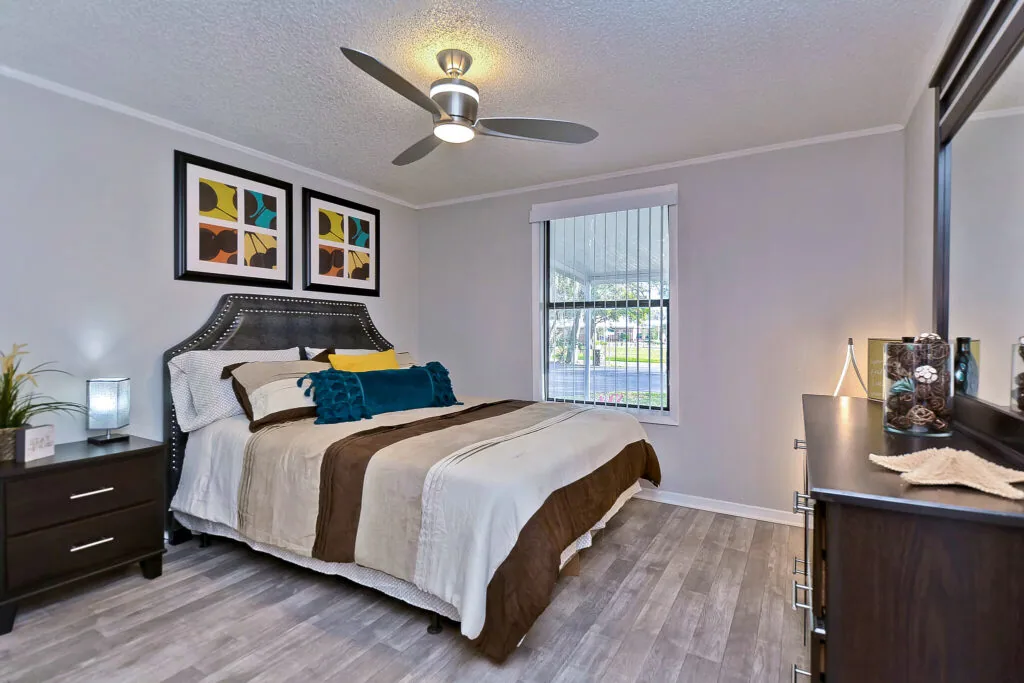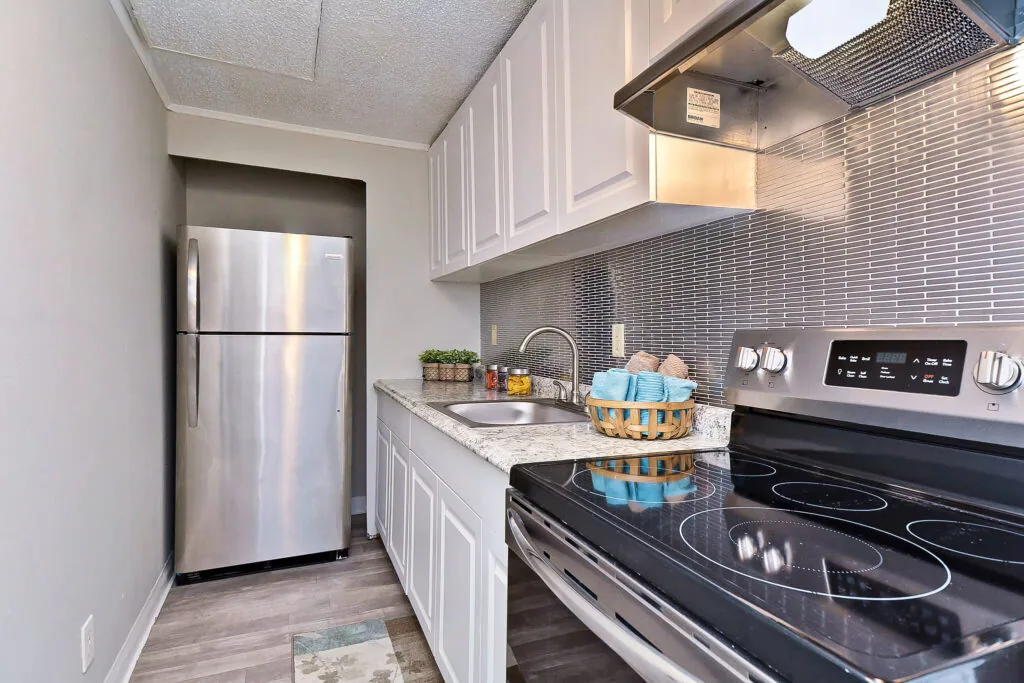
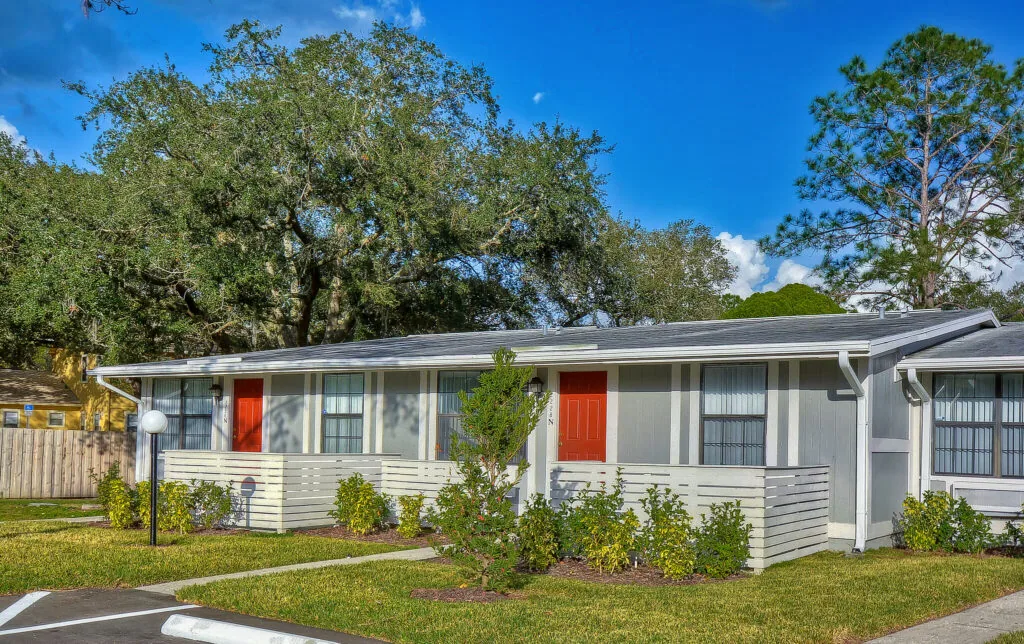
Tampa, Florida, a vibrant coastal city known for its diverse economy, cultural attractions, and proximity to Gulf Coast beaches, presents a dynamic real estate market. Within this landscape, single-story apartments offer a distinct housing option, catering to a range of residents seeking specific lifestyle advantages. This article explores the multifaceted appeal of single-story apartment living in Tampa, examining architectural considerations, accessibility, maintenance benefits, and the inherent sense of community often fostered within these developments.
Architectural Distinctiveness and Design Considerations
Single-story apartments, often referred to as garden apartments or ranch-style complexes, exhibit a particular architectural lineage that emphasizes horizontal integration and a connection to the surrounding environment. Unlike multi-story buildings that prioritize vertical density, these structures spread out, often incorporating landscaped courtyards and direct outdoor access.

Flat Roof vs. Pitched Roof Designs
The roofing typology of single-story apartment buildings in Tampa can vary significantly, impacting both aesthetic and practical considerations. Flat roofs, common in mid-century modern designs, offer a minimalist aesthetic and can sometimes accommodate rooftop amenities or HVAC units. However, they necessitate meticulous waterproofing and drainage systems to contend with Tampa’s significant rainfall. Pitched roofs, conversely, such as hip or gable designs, are more traditional, allow for better attic ventilation, and are generally more resilient against heavy precipitation, effectively shedding water. The choice of roofing material, from asphalt shingles to more durable tile options, also plays a crucial role in longevity and climate control.
Material Palettes and Façade Treatments
The exterior of single-story apartments in Tampa typically reflects regional design trends and material availability. Stucco, a durable and versatile material, is a prevalent choice, offering both weather resistance and a clean aesthetic. Brick, while less common for entire complexes, can be used for accent walls or foundational elements, providing a sense of solidity. Wood siding, though less prevalent due to maintenance requirements in humid climates, can be found in some older or more architecturally specific developments. Color palettes often lean towards lighter, reflective tones to mitigate heat absorption, a pragmatic response to Tampa’s subtropical climate. Landscaping, incorporating native flora such as palms, hibiscus, and bougainvillea, is integral to the overall aesthetic, providing shade, visual appeal, and ecological benefits.
Interior Layout Efficiencies
The single-story nature of these apartments inherently influences interior layouts. The absence of stairs within individual units allows for seamless circulation and greater flexibility in furniture arrangement. Open-concept living areas are common, promoting a sense of spaciousness and natural light penetration. Kitchens are often integrated into the main living space, fostering social interaction. Bedrooms typically flank the living areas, ensuring privacy. Storage solutions are often horizontal, emphasizing built-in closets and pantries rather than multi-level storage. The design ethos prioritizes functional efficiency and ease of movement, creating an intuitive living experience.
Enhanced Accessibility and Inclusivity
One of the most compelling advantages of single-story apartments is their inherent accessibility. The absence of stairs within the unit and often throughout the common areas makes them a highly desirable option for a broad spectrum of residents.
Barrier-Free Living Environments
For individuals with mobility challenges, seniors, or those recovering from injuries, single-story living acts as a welcoming embrace, eliminating the daily obstacle course that stairs can present. This barrier-free environment extends beyond mere convenience; it fosters independence and enhances the quality of life for residents who might otherwise face limitations in multi-level dwellings. The design inherently aligns with principles of universal design, promoting a more inclusive living space where physical limitations do not dictate residency.
Family-Friendly Considerations
While often associated with older demographics, single-story apartments also offer significant advantages for families with young children. The absence of stairs within the unit mitigates the risk of falls, providing a safer environment for toddlers and young children. Furthermore, the ground-floor access often translates to easier movement of strollers, toys, and other child-related paraphernalia. Parents can maintain a clear line of sight throughout their living space, metaphorically extending their watchful gaze without the interruption of different levels. This ergonomic design reduces parental stress and enhances the overall functionality of the home for families.
Ease of Moving and Furnishing
The logistical challenges associated with moving furniture and appliances into multi-story units are significantly reduced in single-story apartments. The absence of staircases simplifies the process, reducing the risk of damage to property and injury to movers. Larger items, such as sofas, refrigerators, and king-size beds, can be transported with greater ease. This practical advantage extends beyond initial move-in, simplifying future redecorating or replacing of large household goods, making the apartment inherently more adaptable to evolving needs.
Reduced Maintenance Burden and Operational Efficiencies
The design and structure of single-story apartment complexes often translate into a reduced maintenance burden for both residents and property management, yielding operational efficiencies.
Simplified Structural Maintenance
From a structural perspective, single-story buildings are inherently less complex than their multi-story counterparts. The absence of multiple load-bearing walls and floor joists distributed across various levels simplifies foundational requirements and reduces the potential for structural stress points. This can translate to fewer incidences of foundation issues, water intrusion from upper floors, or structural fatigue over time. Maintenance crews can more readily access all parts of the building, streamlining repairs and inspections.
Streamlined HVAC Systems
Heating, ventilation, and air conditioning (HVAC) systems in single-story apartments are generally more efficient to operate and maintain. Without the need to distribute conditioned air across multiple vertical levels, a single, centrally located unit can often suffice, reducing energy consumption and simplifying ductwork. The even distribution of heat and cold air is more easily achieved, eliminating the common problem of inconsistent temperatures between floors in multi-story homes. This operational efficiency translates into lower energy bills for residents and reduced wear and tear on mechanical systems.
Direct Access to Outdoor Spaces
Many single-story apartments, particularly those on the ground floor, offer direct access to private patios or shared green spaces. This immediate connection to the outdoors eliminates the need for elevators or stairwells to reach exterior amenities. For residents, it provides a seamless transition between indoor and outdoor living, enhancing their sense of connection to nature. For maintenance, it simplifies landscaping tasks and property upkeep, as crews have immediate access to all exterior areas without navigating internal building structures. This direct access fosters a symbiotic relationship between the interior comfort and the external environment.
Community Integration and Social Dynamics
The horizontal layout and often more intimate scale of single-story apartment communities in Tampa can foster a unique sense of community and encourage social interaction among residents. The metaphor of a small village, where doors face a common courtyard rather than an impersonal hallway, often applies.
Enhanced Neighborly Interaction
When residents live on the same level, there is an increased likelihood of chance encounters and informal interactions. Walking out of one’s front door directly into a common area or shared pathway facilitates greetings, brief conversations, and the formation of neighborly bonds. This contrasts with multi-story buildings where residents might only encounter each other incidentally in elevators or hallways, offering less opportunity for sustained social engagement. The shared ground creates a common denominator for interaction, breaking down social barriers.
Shared Amenities and Common Spaces
Single-story apartment complexes often feature a range of shared amenities, such as swimming pools, clubhouses, fitness centers, and picnic areas, all designed to be easily accessible from individual units. The spatial proximity of these amenities encourages their use and promotes communal gatherings. Imagine a Saturday afternoon at the pool, where residents from various units converge, sharing stories and building rapport. These shared spaces become crucibles for community development, offering opportunities for structured activities and spontaneous interactions alike. Their easy accessibility acts as an open invitation, rather than a hidden destination.
Safety and Security Considerations
While often offering a more open feeling, single-story communities can also be designed with effective safety and security measures in mind. Gated entrances, well-lit common areas, and strategically placed surveillance cameras can enhance resident peace of mind. The more contained nature of these complexes, compared to sprawling neighborhoods, can sometimes make monitoring and patrolling more manageable for management and security personnel. Residents often develop a stronger sense of shared responsibility for their community’s safety, metaphorically acting as a network of watchful eyes, further reinforcing the collective sense of security.
Locational Advantages and Tampa’s Urban Fabric
Tampa’s diverse neighborhoods offer various settings for single-story apartment complexes, each imparting unique locational advantages. The strategic placement of these developments significantly impacts quality of life and access to essential services and attractions.
Proximity to Urban Centers and Employment Hubs
Many single-story apartment complexes are strategically located within or near Tampa’s major employment hubs, such as Downtown Tampa, the Westshore Business District, and the USF area. This proximity reduces commute times, offering residents the gift of saved hours, which can be reinvested in personal pursuits or family time. For professionals, the convenience of a short drive or even a walkable distance to work is a significant draw, fostering a better work-life balance. These locations act as convenient springboards into the city’s economic engine.
Access to Retail, Dining, and Entertainment
The allure of living in Tampa often lies in its vibrant array of retail, dining, and entertainment options. Single-story apartments frequently benefit from being situated near established commercial corridors, offering residents easy access to grocery stores, restaurants, cafes, and cultural venues. From the eclectic eateries of Seminole Heights to the upscale shops of Hyde Park Village, residents can immerse themselves in the city’s pulse without extensive travel. The convenience of having these amenities at one’s fingertips transforms the city into an extended living room, where every neighborhood offers its own unique flavor.

Connection to Outdoor Recreation and Green Spaces
Tampa is blessed with numerous parks, trails, and waterfront access points, offering a plethora of outdoor recreational opportunities. Many single-story apartment communities are developed with an eye towards these natural assets, providing residents with easy access to jogging paths, bike trails, and public parks. The Hillsborough River, Tampa Bay, and nearby Gulf beaches act as natural playgrounds, offering opportunities for kayaking, paddleboarding, fishing, and simply enjoying the Florida sunshine. Living in close proximity to these green and blue spaces allows for an effortless integration of nature into daily life, acting as a constant invitation to step outside and breathe deeply.
In conclusion, single-story apartments in Tampa represent more than just a housing option; they offer a lifestyle. Their architectural simplicity, inherent accessibility, reduced maintenance demands, and capacity to foster a strong sense of community make them a compelling choice for a diverse demographic seeking practical comfort and a connected living experience within the dynamic environment of Tampa, Florida. These developments, whether nestled in quiet residential areas or strategically positioned near urban amenities, provide a distinct and often undervalued facet of the city’s residential landscape.
FAQs
What are single story apartments?
Single story apartments are residential units that are contained on one level, without any stairs or multiple floors within the individual unit. They are often preferred for ease of access and mobility.
Where are single story apartments commonly found in Tampa?
Single story apartments in Tampa can be found throughout the city, including popular neighborhoods such as South Tampa, Westchase, and New Tampa. Many apartment communities offer single story layouts to accommodate different resident needs.
What are the benefits of living in a single story apartment in Tampa?
Benefits include easier accessibility for people with mobility issues, no need to carry groceries or furniture up stairs, and often quicker evacuation in emergencies. They can also provide a quieter living environment since there are no upstairs neighbors.
Are single story apartments in Tampa pet-friendly?
Many single story apartment communities in Tampa are pet-friendly, but pet policies vary by complex. It is important to check with the specific apartment management about pet restrictions, fees, and amenities.
How can I find available single story apartments for rent in Tampa?
You can find available single story apartments in Tampa by searching online apartment rental websites, contacting local real estate agents, or visiting apartment communities directly. Filtering search results by “single story” or “ground floor” can help narrow down options.