Nature at Your Doorstep: Living Seconds from the USF Botanical Gardens

The University of South Florida (USF) Botanical Gardens, a 15-acre living museum and research facility, serves as a significant ecological and educational nexus within the Tampa Bay area. For individuals considering residency in proximity to this institution, a strategic analysis of the surrounding apartment market is warranted. This discourse will systematically unpack the multifaceted considerations involved in securing an apartment near the USF Botanical Gardens, offering a pragmatic framework for prospective tenants.

The USF Botanical Gardens, established in 1971, is more than merely a collection of flora; it is a repository of biodiversity, a center for botanical research, and an educational resource. Its presence exerts a palpable influence on the surrounding real estate landscape, shaping everything from traffic patterns to property values and neighborhood amenities. Understanding this influence is the first step in a successful apartment search.

Ecological and Educational Significance

The Gardens house over 3,000 species of plants, categorized into various collections including a carnivorous plant display, a palm garden, a tropical fruit orchard, and an extensive herb and medicinal plant section. This biological richness not only attracts researchers and students but also provides a unique, green buffer zone for nearby residential areas. For residents, this translates into proximity to green spaces, opportunities for informal education, and a potential reduction in urban noise and pollution. The aesthetic and ecological value of such a resource is an inherent, if often unquantified, amenity.

Community Engagement and Events

Beyond its scientific mission, the USF Botanical Gardens actively engages with the local community through workshops, plant sales, and educational programs. These activities can translate into a more vibrant and engaged local community for residents. Apartment dwellers in the vicinity may find themselves with easy access to these events, fostering a sense of community participation and intellectual enrichment. This aspect, while not directly related to the physical structure of an apartment, contributes significantly to the overall living experience.

Navigating Apartment Search Methodologies

The search for an apartment near the USF Botanical Gardens, like any significant housing decision, demands a systematic approach. This section outlines effective methodologies, serving as a compass for the prospective tenant in a complex real estate market.

Online Listing Platforms

The digital realm is the primary arena for initial apartment hunts. Websites such as Zillow, Apartments.com, Rent.com, and Craigslist offer extensive databases of available units. These platforms allow for filtering by price range, number of bedrooms, amenities, and — crucially for this specific search – proximity to a particular landmark. It is imperative to utilize the mapping features embedded within these platforms to visually assess the distance from the USF Botanical Gardens. Keyword searches incorporating “USF Botanical Gardens,” “USF,” “Tampa,” and relevant neighborhood names will yield more targeted results.

Local Real Estate Agents and Property Management Companies

Engaging with local real estate agents who specialize in the Tampa area, particularly those with experience around the USF campus, can be a potent strategy. These professionals often possess access to listings not yet publicized online and have intimate knowledge of neighborhood nuances, rental trends, and landlord reputations. Similarly, identifying prominent property management companies operating in the USF vicinity can lead to direct access to their portfolios of rental properties. This method can unearth hidden gems and provide a conduit to properties managed by professional entities.

Driving and Walking Tours

No amount of online searching can substitute for an in-person reconnaissance mission. Driving and walking tours of the neighborhoods immediately surrounding the USF Botanical Gardens are invaluable. This allows prospective tenants to observe street conditions, assess traffic volume, identify local businesses, and gauge the general atmosphere of an area. Look for “For Rent” signs that may not be advertised online. This ground-level perspective offers a crucial tactile understanding of the environment, supplementing the digital data.

Evaluating Neighborhoods and Proximity

The term “near” is subjective. For some, a 5-minute walk is ideal; for others, a 15-minute drive is acceptable. Defining your personal proximity tolerance is paramount. The neighborhoods immediately adjacent to the USF Botanical Gardens offer distinct characteristics, each with its own pros and cons.

University Area (North Tampa)

This area, directly north of the USF campus, is a sprawling landscape characterized by a mix of student housing complexes, older single-family homes adapted for rental, and commercial strips catering to a university demographic.

Accessibility and Transportation

The University Area boasts dense public transportation routes, primarily Hillsborough Area Regional Transit (HART) bus lines, which connect directly to the USF campus and beyond. For those without personal vehicles, this is a distinct advantage. However, traffic congestion, particularly during peak university hours, can be a significant consideration for drivers. The immediate proximity to the Gardens is a clear draw, often within walking or cycling distance.

Demographics and Vibe

Predictably, the demographic here is heavily student-oriented. This translates into a vibrant, youthful atmosphere, but also potentially higher noise levels, particularly on weekends. The area is replete with fast-food establishments, casual dining, and convenience stores. While lively, it may lack the more diverse cultural amenities found in other parts of Tampa. The “vibe” is distinctly academic and transient.

Rental Price Point

Due to the high demand from the student population, rental prices can be competitive, especially for apartments marketed as “student living.” However, older complexes and privately rented homes may offer more budget-friendly options, albeit potentially with older amenities and infrastructure. It’s a market driven by supply and demand, with the university as the primary magnet.

Temple Terrace

East of the USF campus and the Botanical Gardens lies Temple Terrace, a historic and predominantly residential city with a distinct suburban character. It offers a counterpoint to the more urbanized university area.

Green Spaces and Community Feel

Temple Terrace is known for its tree-lined streets, parks, and a more established, family-friendly atmosphere. The Hillsborough River runs along its western border, providing additional recreational opportunities. This area generally offers a quieter, more settled community feel compared to the immediate university vicinity. For those seeking respite from the constant hum of campus life, Temple Terrace can be an attractive alternative.

Commute to Gardens

While not directly adjacent, many parts of Temple Terrace are still within a short driving or cycling distance (typically 5-15 minutes) of the USF Botanical Gardens. Public transportation options exist but may be less direct or frequent than in the University Area. The commute is generally smooth, avoiding the heaviest university-related traffic.

Housing Stock and Amenities

Temple Terrace features a diverse housing stock, ranging from historic homes to modern apartment complexes and condominiums. The amenities tend to be geared towards families and professionals, including established grocery stores, local restaurants, and community centers. Rental prices can vary significantly depending on the age and type of property, offering a broader spectrum than the student-dominated areas.

Fowler Avenue Corridor (West of USF)

Stretching west from the USF campus, the Fowler Avenue corridor is a major commercial artery. While not a distinct residential neighborhood in the same vein as Temple Terrace, it offers numerous apartment complexes interspersed with retail and services.

Commercial Hub and Convenience

This corridor is a commercial nerve center, providing unparalleled access to shopping centers, restaurants (both chain and independent), and various services. For those who prioritize convenience and easy access to amenities, this area is highly functional. Everything from electronics stores to pharmacies is within close reach.

Traffic and Noise

The trade-off for such convenience is often higher traffic volume and ambient noise. Fowler Avenue is a perpetually busy thoroughfare, a circulatory system pumping commerce and commuters through the region. Apartment complexes in this area may experience more noise pollution compared to quieter residential zones. Proximity to the Gardens depends heavily on the specific complex’s location along Fowler, but generally requires a vehicle or bus ride.

Apartment Modernity and Price

Many of the apartment complexes along the Fowler Avenue corridor are newer, purpose-built structures, often featuring contemporary amenities like fitness centers, pools, and designated parking. This generally translates to a slightly higher price point relative to older housing stock, but also offers a more standardized and modern living experience.

Essential Apartment Features and Considerations

Beyond location, the tangible features of an apartment and the terms of its lease are critical. A detailed inventory of these considerations acts as a checklist, ensuring no stone is left unturned in the evaluation process.

Unit Specifications: Size, Layout, and Condition

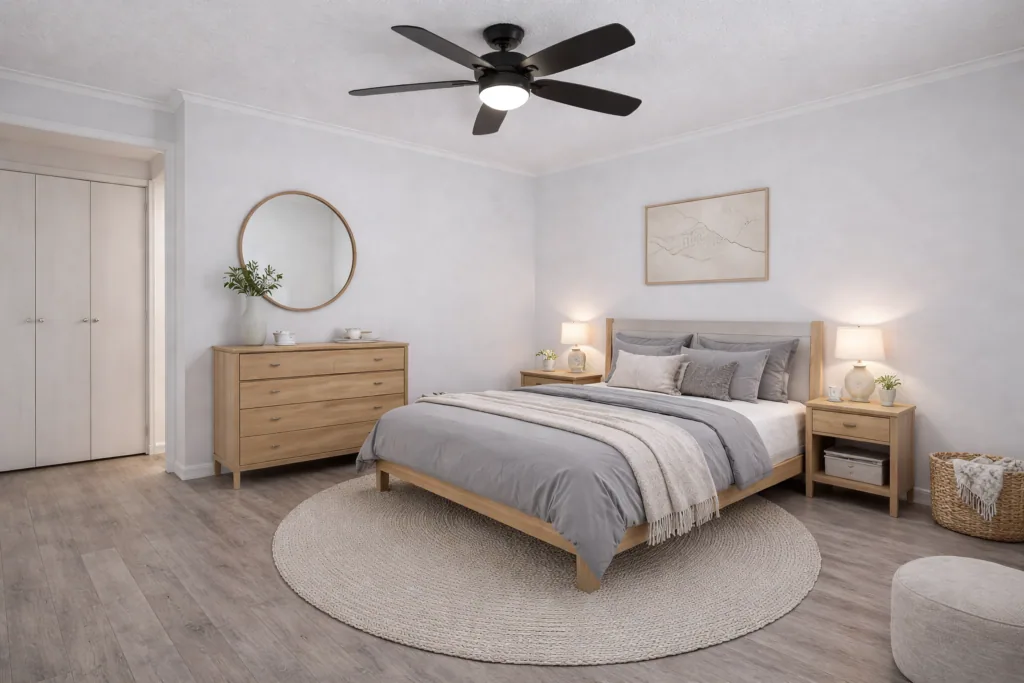
The size and layout of an apartment are fundamental. Consider the number of bedrooms and bathrooms, the square footage, and the efficiency of the floor plan. Does the layout accommodate your furniture and lifestyle? Is there adequate storage? Crucially, assess the overall condition of the unit. Document any pre-existing damage with photographs and ensure these are noted in the lease agreement. This acts as a protective shield against future disputes.

In-Unit and Community Amenities

Amenities can significantly enhance the quality of life. In-unit amenities might include a washer/dryer, dishwasher, central air conditioning, and updated appliances. Community amenities often encompass swimming pools, fitness centers, communal lounges, and business centers. For those who prioritize a healthy lifestyle, access to these facilities can be a significant draw. Evaluate which amenities are essential for your daily routine versus those that are merely preferential.

Lease Terms, Rent, and Fees

The lease agreement is a legal contract and necessitates careful scrutiny. Understand the duration of the lease (e.g., 6-month, 12-month), the penalties for early termination, and the renewal process. Scrutinize the rent amount, and be aware of any additional fees such as pet fees, parking fees, utility charges, or application fees. Always clarify whether utilities (water, electricity, internet) are included in the rent or if they are separate expenses. A detailed breakdown of all financial obligations is a non-negotiable requirement.

Parking and Transportation Options

For individuals with vehicles, parking is often a critical concern, especially in university-adjacent areas where spaces can be scarce. Clarify whether parking is assigned, open, or requires a separate permit or fee. If relying on public transportation, confirm the proximity and frequency of bus stops. For cyclists, assess the availability of bike racks and the safety of local cycling paths. The ease of ingress and egress, along with available transportation modalities, forms the circulatory system of daily life.

Safety and Security Measures

A secure living environment is paramount. Inquire about the building’s security features, such as controlled access, surveillance cameras, and on-site security personnel. Assess the neighborhood’s general safety by researching local crime statistics and observing the environment during both day and night. Functional lighting, secure locks on doors and windows, and a visible police presence contribute to a sense of well-being.

The Financial Landscape of Renting

Renting near a major university and a significant ecological attraction often means navigating a specific financial landscape. Understanding this terrain is as important as understanding the physical environment.

Budgeting and Hidden Costs

Beyond the stated monthly rent, numerous hidden costs can accumulate. These may include application fees, security deposits (often equivalent to one month’s rent), pet deposits, utility setup fees, internet installation, and renter’s insurance. It is prudent to create a comprehensive budget that accounts for all these potential expenditures. A contingency fund for unexpected costs is also advisable.

Credit Score and Rental History

Landlords frequently assess a prospective tenant’s financial reliability through their credit score and rental history. A higher credit score typically indicates financial responsibility and can strengthen your application. A positive rental history, including a record of on-time payments and no prior evictions, is equally crucial. Be prepared to provide references from previous landlords. These financial footprints act as a historical record, painting a picture of reliability.

Understanding Lease Agreements and Tenant Rights

The lease agreement is a legally binding document. It is imperative to read it thoroughly, comprehending all clauses regarding rent increases, maintenance responsibilities, eviction procedures, and restrictions (e.g., pet policies, guest rules). Familiarize yourself with local tenant rights and responsibilities, which vary by municipality and state. Knowledge of these rights serves as a protective bulwark against potential exploitation or misunderstanding.

Conclusion

Securing an apartment near the USF Botanical Gardens is a multi-faceted endeavor that extends beyond simply finding a vacant unit. It requires a strategic understanding of the Gardens’ influence, a methodical apartment search, a nuanced evaluation of surrounding neighborhoods, a meticulous assessment of apartment features, and a thorough grasp of the financial and legal aspects of renting. By employing a systematic, objective approach, prospective tenants can navigate this complex landscape effectively, ultimately securing a residence that aligns with their needs and optimizes their experience in this unique corner of Tampa. The process, while rigorous, is an investment in your future living environment, an investment well worth the meticulous analysis.

FAQs

What is the USF Botanical Gardens?

The USF Botanical Gardens is a 15-acre living plant museum located on the University of South Florida campus in Tampa. It features a diverse collection of native and exotic plants, walking trails, and educational programs.

Are there apartments available near the USF Botanical Gardens?

Yes, there are several apartment complexes located near the USF Botanical Gardens, offering convenient access to the gardens as well as the University of South Florida campus and surrounding amenities.

What types of apartments are commonly found near the USF Botanical Gardens?

Apartments near the USF Botanical Gardens range from studios and one-bedroom units to larger two- and three-bedroom apartments. Many communities offer amenities such as swimming pools, fitness centers, and pet-friendly policies.

How close are the apartments to the USF Botanical Gardens?

Many apartments are within a short driving or biking distance from the USF Botanical Gardens, typically less than 2 miles away, making it easy for residents to visit the gardens regularly.

Are the apartments near USF Botanical Gardens suitable for students?

Yes, apartments near the USF Botanical Gardens are popular among students due to their proximity to the University of South Florida campus, affordable rent options, and access to public transportation and campus facilities.

Similar Posts

Leave a Reply

Your email address will not be published. Required fields are marked *