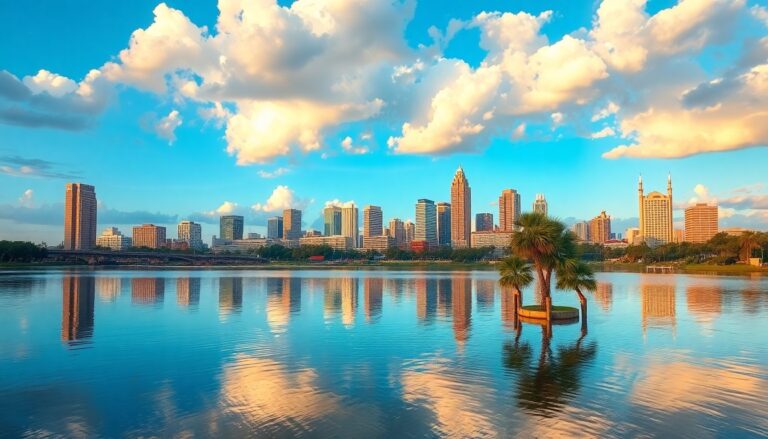
Moving to a new city is a significant undertaking, and for those considering Tampa, Florida, in 2026, comprehensive planning is key. This guide provides a factual overview of what to expect, focusing on logistical considerations and the practicalities of establishing a life in the Sunshine City.
Tampa’s economy has undergone a substantial transformation in recent decades, evolving from its historical roots in industries like cigar manufacturing and phosphate mining into a diversified and robust economic hub. This evolution presents both opportunities and challenges for new residents.
Key Industries Driving Employment
The predominant sectors contributing to Tampa’s employment base are varied and growing.
Healthcare and Biotechnology
The healthcare sector stands as a cornerstone of the Tampa Bay region’s economy. Major healthcare systems, such as BayCare Health System and HCA Healthcare, are significant employers, offering a wide range of medical professions. Furthermore, Tampa has been actively cultivating its biotechnology and life sciences sector, attracting research institutions and private companies focused on medical innovation and pharmaceutical development. This growth translates into sustained demand for skilled professionals in clinical, research, and administrative roles.
Finance and Professional Services
Tampa has established itself as a growing financial services center, attracting national and international financial institutions. The presence of significant banking operations, investment firms, and insurance companies provides a steady stream of employment opportunities in areas such as accounting, financial analysis, wealth management, and business operations. This sector is characterized by a need for expertise in regulation, risk management, and client services.
Technology and Innovation
The technology sector in Tampa is experiencing considerable expansion, fueled by initiatives to foster innovation and attract tech startups. Companies specializing in software development, cybersecurity, data analytics, and digital marketing are increasingly establishing a presence or growing their operations within the city. This trend indicates a dynamic job market for individuals with technical skills and an entrepreneurial spirit, contributing to a more knowledge-based economy.
Tourism and Hospitality
The enduring appeal of Tampa’s beaches, cultural attractions, and professional sports teams continues to support a strong tourism and hospitality industry. This sector provides a consistent source of employment in roles ranging from hotel management and food service to event planning and attractions operation. While often perceived as seasonal, it offers substantial opportunities for those seeking entry-level positions or careers in customer-facing roles.
Emerging Economic Trends
Beyond established industries, several emerging trends are shaping Tampa’s economic future, influencing job creation and workforce demands.
Logistics and Supply Chain Management
Tampa’s strategic location on the Gulf Coast, its proximity to major transportation networks, and its port facilities position it as a significant node in regional and international logistics and supply chain operations. The ongoing growth in e-commerce and global trade further amplifies the demand for professionals in warehousing, distribution, transportation management, and procurement.
Renewable Energy and Sustainability
As global attention shifts towards sustainability, Tampa is beginning to see investments and job growth in the renewable energy sector. This includes opportunities in solar energy installation and maintenance, energy efficiency consulting, and the development of sustainable infrastructure. While still in its nascent stages compared to other sectors, this area represents a future growth frontier.
Cost of Living Considerations for 2026
Understanding the financial outlay for daily life is paramount before making a move. While Tampa is generally considered more affordable than many major coastal metropolitan areas, its cost of living has seen an upward trend.
Housing Market Dynamics
The Tampa housing market has experienced significant appreciation in recent years. As of projections for 2026, prospective residents can anticipate a competitive housing market, particularly in desirable neighborhoods. Both rental rates and home purchase prices are likely to remain elevated, though potentially stabilizing compared to the rapid increases of previous years. Researching specific neighborhoods and understanding local property tax rates will be crucial for budgeting.
Everyday Expenses
Beyond housing, general daily expenses, such as utilities, transportation, and groceries, are comparable to national averages. However, like many growing cities, Tampa may see incremental increases in these costs. Exploring public transportation options and seeking out local grocery options can help manage these expenditures.
Taxation in Florida
Florida, including Tampa, levies no state income tax. This is a significant financial advantage for residents, meaning a larger portion of earned income remains with the individual. However, the state relies on sales tax and property tax to generate revenue. Property taxes in Tampa will vary based on location and property value, and understanding these rates is essential for homeowners.
Navigating Tampa’s Diverse Neighborhoods
Tampa is not a monolithic entity but rather a mosaic of distinct neighborhoods, each with its own character, amenities, and housing styles. Identifying the right community is akin to finding the perfect frame for your new life.
Downtown Tampa and its Surroundings
The urban core has undergone revitalization, becoming a vibrant center for business and entertainment.
Business District
This area is characterized by a concentration of office buildings, financial institutions, and professional services firms. Housing options here often include high-rise condominiums and apartments, catering to those who prioritize proximity to work and a fast-paced urban lifestyle. Commuting is typically managed via walking, public transport, or ride-sharing.
Channelside and Water Street
These waterfront districts have emerged as prominent residential and entertainment hubs. Channelside, known for its proximity to the Florida Aquarium and Amalie Arena, offers a lively atmosphere with numerous dining and nightlife options. The newer Water Street development is a master-planned community featuring modern residences, retail spaces, and green areas, aiming to create a seamless urban living experience.
Hyde Park Historic District
This affluent neighborhood is renowned for its preserved Victorian-era architecture and upscale boutiques.
Residential Charm
Hyde Park offers a glimpse into Tampa’s past with its tree-lined streets and elegant homes. The area is highly desirable for its aesthetic appeal and its proximity to amenities, including upscale dining and shopping. Housing here is predominantly single-family homes, often with historical significance, which can translate to higher property values.
Shoppes and Eateries
The central Hyde Park Village area functions as a sophisticated retail and dining destination, attracting residents and visitors alike seeking quality goods and culinary experiences. The walkability of this district is a significant draw for residents.
South Tampa and its Sub-Districts
South Tampa encompasses a broad geographical area with diverse residential offerings.
Palma Ceia and Bayshore
These neighborhoods are known for their prestigious addresses and stately homes, often situated along or near the iconic Bayshore Boulevard. This area offers a more serene, family-oriented environment with access to green spaces and waterfront views. Property values in these districts are typically among the highest in the city.
MacDill Air Force Base Vicinity
Areas surrounding MacDill Air Force Base cater to military personnel and their families, often featuring a mix of housing types, including single-family homes and apartments. These communities tend to be well-established and offer access to base amenities and local services.
Northern and Eastern Suburbs
For those seeking a more suburban lifestyle with potentially more affordable housing options, consider areas north and east of the city center.
Carrollwood and Lutz
These communities offer a more traditional suburban feel, characterized by single-family homes, parks, and good school districts. They are popular with families and individuals seeking a quieter environment while remaining within a reasonable commuting distance to the city’s business centers.
Brandon and Riverview
Located to the east of Tampa, these rapidly growing areas provide a wider range of housing options, often at more accessible price points. They are attractive to a diverse demographic and offer ample retail and dining amenities. Infrastructure development is often ongoing in these areas to keep pace with population growth.
Westshore Business District and Surrounding Residential Areas
This sub-market is a significant commercial and retail hub, with adjacent residential areas offering convenient living.
Commercial and Retail Hub
The Westshore district is home to numerous major office buildings, shopping malls, and hotels. This concentration of economic activity means many residents can live close to their workplaces and have access to a vast array of retail and entertainment options.
Residential Pockets
Surrounding the business district are residential areas that offer apartments, townhouses, and single-family homes. These neighborhoods often appeal to professionals working in the area who value short commute times and convenient access to amenities.
Essential Logistics for Your Tampa Move
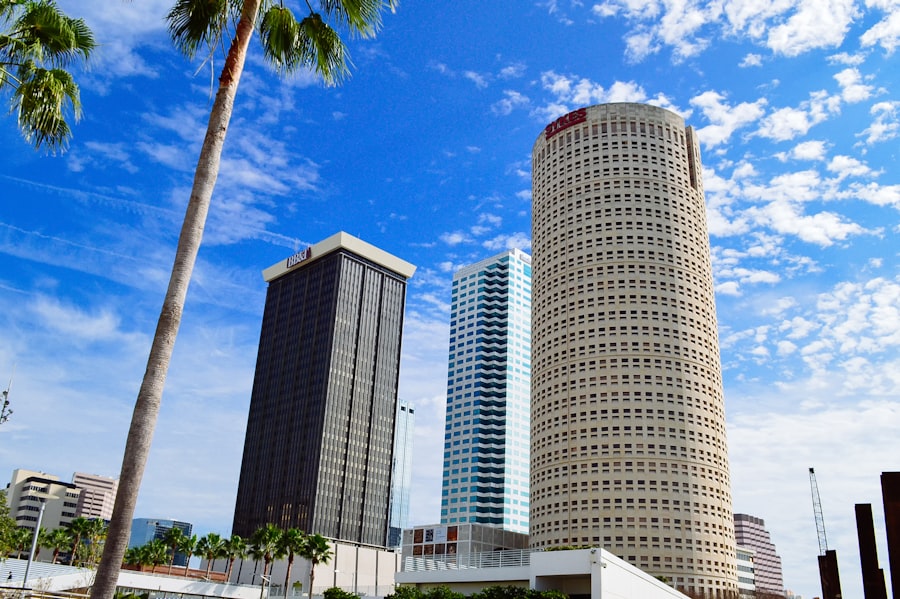
Relocating to any city necessitates meticulous attention to logistical details, and Tampa is no exception. These are the foundational pillars upon which your move will be constructed.
Securing Your New Residence
The process of finding and securing a place to live is often the first and most critical step.
Rental Market Entry
For renters, initiating your search well in advance of your desired move-in date is highly recommended. Websites and local real estate agencies can provide listings. Be prepared to provide proof of income, a credit report, and potentially references. Leases typically require a security deposit and the first month’s rent.
Home Purchase Process
Prospective homebuyers should engage with local real estate agents who possess in-depth knowledge of the Tampa market. The process involves mortgage pre-approval, property searching, making an offer, inspections, appraisals, and closing. Understanding market conditions and interest rates will be key to a successful purchase.
Establishing Utilities and Services
Once a residence is secured, the next step is to connect essential services.
Electricity, Water, and Gas
The primary providers for electricity in Tampa are typically Tampa Electric Company (TECO) and Duke Energy, depending on the specific service area. Water and wastewater services are generally managed by the City of Tampa Utilities. Setting up these accounts usually requires personal identification and the address of the new residence.
Internet and Cable Providers
Several internet service providers (ISPs) operate in Tampa, including Spectrum, AT&T, and Verizon. For cable television, similar providers are available. It is advisable to compare speeds, data caps, and pricing packages to find the best fit for your needs. Installation appointments may be required.
Trash and Recycling Services
Trash and recycling collection is typically handled by municipal services or contracted private companies, depending on the neighborhood. Information on collection schedules and recycling guidelines can usually be accessed through the local government’s website.
Transferring Vehicle Registration and Driver’s License
For those bringing vehicles to Tampa, updating your license and registration is a legal requirement.
Florida Department of Highway Safety and Motor Vehicles (FLHSMV)
Upon becoming a Florida resident, you are required to obtain a Florida driver’s license and register your vehicle with the Florida Department of Highway Safety and Motor Vehicles (FLHSMV). This typically involves visiting a local Tax Collector’s office or driver license service center. You will need to provide supporting documentation, including proof of identity, Social Security number, and residency.
Vehicle Insurance
Florida mandates specific minimums for auto insurance coverage. You will need to obtain a policy from an insurer licensed to operate in Florida and provide proof of this insurance when registering your vehicle.
Accessing Tampa’s Educational Institutions
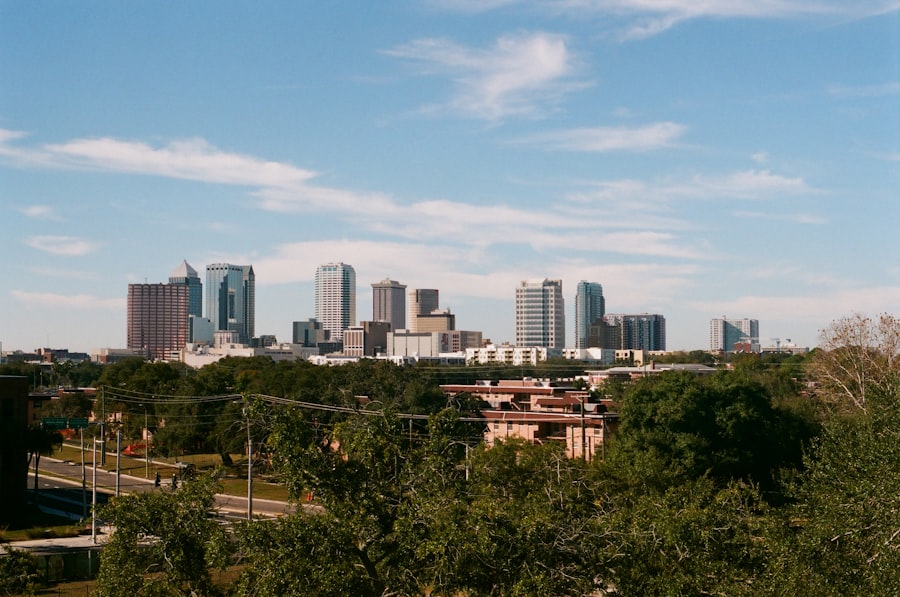
For families or individuals pursuing further education, understanding the local educational landscape is crucial. The provision of knowledge is a bedrock of any thriving community.
Public School System
Hillsborough County Public Schools (HCPS) is one of the largest school districts in Florida, serving Tampa and surrounding areas.
District Overview
HCPS operates a vast network of elementary, middle, and high schools. The district offers a variety of academic programs, including magnet schools with specialized curricula in areas such as STEM, the arts, and career readiness. School zoning is determined by residential address, and parents should verify which schools serve their chosen neighborhood.
Enrollment and Registration
Enrollment procedures typically require proof of residency, the child’s birth certificate, immunization records, and any previous academic transcripts. Information on school boundaries, academic calendars, and special programs can be found on the HCPS website.
Private and Charter Schools
Tampa also offers a diverse range of private and charter school options, providing alternatives to the traditional public school system.
School Diversity
These institutions often cater to specific educational philosophies, religious affiliations, or academic focuses. Private schools typically charge tuition, while charter schools are publicly funded but operate independently. Researching the mission statement, curriculum, and tuition fees of different private schools is essential.
Charter School Applications
Charter schools may have lottery systems for admission, so understanding their application processes and deadlines is important.
Higher Education Opportunities
Tampa is home to several respected institutions of higher learning, offering undergraduate and graduate degree programs.
University of South Florida (USF)
USF is a major public research university with a significant presence in Tampa. It offers a comprehensive range of academic programs across numerous colleges and a strong emphasis on research and innovation.
University of Tampa (UT)
The University of Tampa is a private coeducational university known for its strong business programs and its picturesque campus located along the Hillsborough River.
Other Institutions
Additional institutions, such as Hillsborough Community College, provide accessible pathways for associate degrees and vocational training, serving as important stepping stones for future academic or career pursuits.
Exploring Tampa’s Recreational and Cultural Offerings
Beyond the practicalities of moving, understanding Tampa’s lifestyle facets is vital for settling in. The city offers a rich tapestry of activities for leisure and enrichment.
Outdoor Activities and Green Spaces
The Florida climate lends itself to abundant outdoor pursuits, with numerous parks and natural areas available.
Parks and Recreation
The City of Tampa Parks and Recreation Department manages a wide array of public parks, including picnic areas, playgrounds, sports fields, and walking trails. Major parks like Curtis Hixon Waterfront Park offer scenic riverfront views and host community events.
Waterways and Beaches
Tampa’s location on Tampa Bay provides access to various water-based activities. While the immediate city skyline is on the bay, popular Gulf Coast beaches like Clearwater Beach and St. Pete Beach are within a manageable driving distance for day trips. Kayaking, paddleboarding, and boating are popular on the bay and its tributaries.
Museums and Performing Arts
Tampa boasts a growing cultural scene, offering diverse artistic and historical experiences.
The John and Mable Ringling Museum of Art (Sarasota)
While technically in Sarasota, this world-class art museum is a significant cultural draw for the greater Tampa Bay region, featuring extensive collections of European paintings, Asian art, and circus memorabilia.
The Tampa Museum of Art
Located downtown, the Tampa Museum of Art showcases a permanent collection of modern and contemporary art, as well as hosting rotating exhibitions. It also features a significant collection of Greek and Roman antiquities.
The David A. Straz, Jr. Center for the Performing Arts
This prominent performing arts venue hosts a wide range of professional productions, including Broadway shows, ballets, operas, and concerts, providing a significant cultural anchor for the city.
Sports and Entertainment
Tampa is a notable destination for professional sports and a vibrant entertainment landscape.
Professional Sports Teams
Tampa is home to several major professional sports franchises, including the Tampa Bay Buccaneers (NFL), the Tampa Bay Lightning (NHL), and the Tampa Bay Rays (MLB). Attending live games is a popular pastime for residents.
Amalie Arena and Raymond James Stadium
These large-scale venues are the primary hosts for professional sporting events, concerts, and other major entertainment gatherings, attracting national and international performers.
Busch Gardens Tampa Bay
This popular theme park and zoological garden offers a combination of thrill rides, live entertainment, and animal encounters, making it a significant recreational attraction for residents and tourists alike.
Conclusion: Preparing for Your Tampa Sojourn
Relocating to Tampa in 2026 requires diligent research and forward-thinking planning. By understanding the economic landscape, exploring neighborhood options, meticulously handling logistics, familiarizing yourself with educational resources, and engaging with the city’s recreational and cultural offerings, you can lay a strong foundation for a successful transition. As you chart your course, remember that preparation is the compass that will guide you to a fulfilling life in this dynamic Florida city.
FAQs
What is the cost of living like in Tampa in 2026?
The cost of living in Tampa in 2026 remains relatively affordable compared to other major U.S. cities. Housing prices have seen moderate increases, but utilities, groceries, and transportation costs are generally in line with the national average.
What are the job opportunities available in Tampa in 2026?
Tampa’s job market in 2026 is diverse, with strong sectors including healthcare, finance, technology, and tourism. The city continues to attract startups and established companies, offering a range of employment opportunities.
How is the education system in Tampa for families moving in 2026?
Tampa offers a variety of public and private schools with several highly rated institutions. The city also has access to reputable colleges and universities, making it a good choice for families prioritizing education.
What is the climate like in Tampa throughout the year?
Tampa has a humid subtropical climate with hot, humid summers and mild, dry winters. Residents can expect frequent sunshine year-round, with occasional afternoon thunderstorms during the summer months.
What are some popular neighborhoods to consider when moving to Tampa in 2026?
Popular neighborhoods in Tampa include Hyde Park, Seminole Heights, and Davis Islands. Each offers unique amenities, housing styles, and community vibes, catering to different lifestyles and preferences.