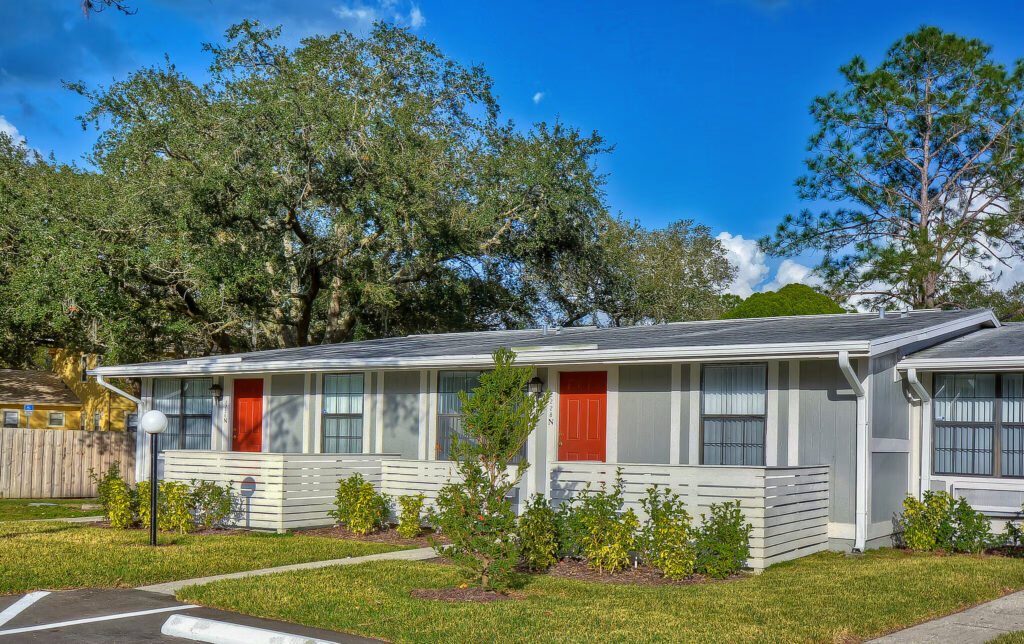
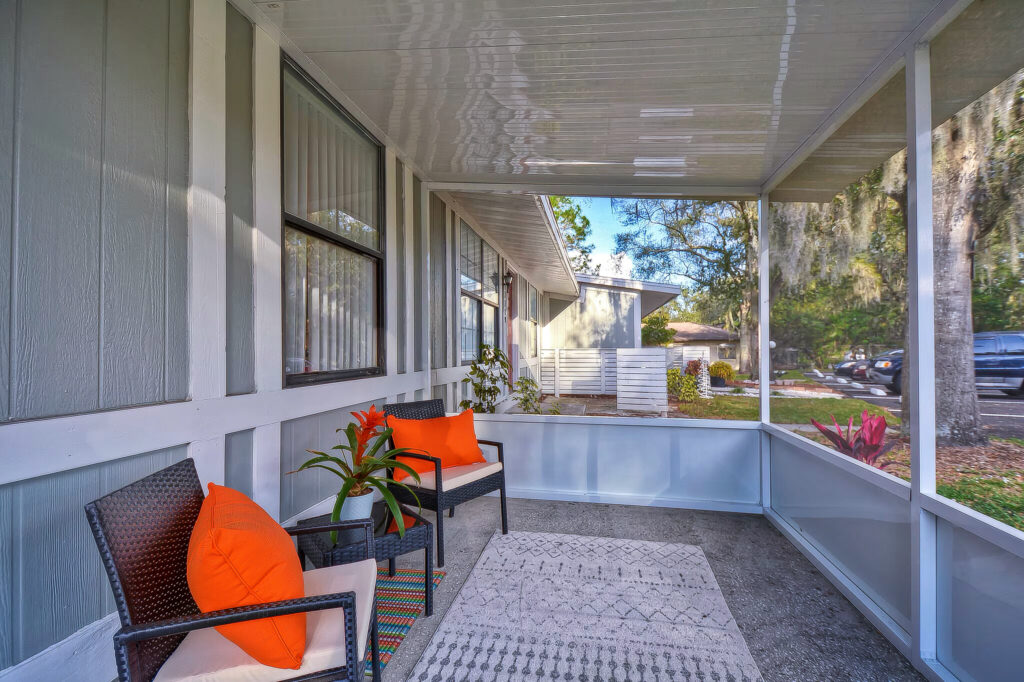
Tampa, Florida, a city known for its vibrant cultural scene, offers a burgeoning landscape for creatives seeking accessible studio spaces. For artists, musicians, photographers, and other professionals requiring dedicated work environments, the pursuit of an affordable studio often presents a significant challenge. This article explores the various facets of securing such spaces in Tampa, illuminating the market dynamics, available options, and strategic considerations for those embarking on this journey.
The Tampa Bay area, with its expanding population and economic growth, has seen a corresponding increase in demand for commercial and creative real estate. This demand, while indicative of a flourishing arts community, can simultaneously drive up rental costs. However, within this dynamic, pockets of affordability and innovative solutions persist for the discerning creative. The market is a mosaic, comprising traditional commercial leases, shared co-working spaces, and less conventional, re-purposed industrial properties. Understanding this landscape is the first step in identifying suitable opportunities.
Factors Influencing Studio Affordability
Several interconnected factors determine the cost and availability of studio spaces in Tampa. These include geographical location, the type of property, included amenities, and the duration of the lease agreement. Proximity to downtown, for instance, generally correlates with higher rental rates due to increased demand and accessibility. Conversely, studios located in more industrialized or developing areas may offer more competitive pricing, albeit potentially requiring a longer commute.
Typologies of Affordable Studio Spaces
The spectrum of affordable studios in Tampa is broad, encompassing various forms. These can range from small, individual units within larger complexes to shared open-plan environments conducive to collaborative work. Understanding these typologies is crucial for aligning your specific needs with available options.
- Commercial Flex Spaces: Often found in industrial parks or light manufacturing zones, these spaces offer a blank canvas, allowing tenants to customize the layout and often providing higher ceilings suitable for various artistic endeavors. Their inherent simplicity frequently translates to lower price points per square foot.
- Renovated Warehouses: Areas like Ybor City or the industrial tracts around Port Tampa Bay occasionally feature renovated warehouses partitioned into smaller studio units. These spaces often retain an industrial aesthetic that appeals to many creatives and can be more budget-friendly than purpose-built art complexes.
- Shared Co-working Facilities with Private Studios: A growing trend, these facilities offer a hybrid model. While not exclusively dedicated to artists, many provide lockable private studios alongside open co-working areas, bundling utilities and often offering amenities like shared tools or exhibition spaces.
Navigating the Search: Strategic Approaches to Finding a Studio
The search for an affordable studio is not always a straightforward process; it often requires perseverance, networking, and a proactive approach. Think of it as a treasure hunt, where the most valuable gems are often hidden in plain sight or require a bit of digging.
Leveraging Online Platforms and Local Resources
The digital realm is an indispensable tool for initial research. Websites dedicated to commercial real estate, local classifieds, and community art forums can serve as valuable starting points. However, a deeper dive often requires leveraging more specialized resources.
- Commercial Real Estate Listings: Websites like LoopNet, CoStar (often subscription-based but excellent for market insights), and local real estate agency sites provide comprehensive listings of available commercial properties. Filter your searches by price range, square footage, and property type to narrow down options.
- Community Art Organizations: Tampa is home to several art organizations and collectives that often act as informal central hubs for information. Entities like the Arts Council of Hillsborough County or local artist cooperatives may maintain lists of available studios, or individuals within these networks might have insights into upcoming vacancies.
- Social Media Groups and Forums: Platforms like Facebook host numerous local groups dedicated to artists, musicians, or small business owners. Posting your studio needs or monitoring existing discussions can yield promising leads, as individuals often share information about available spaces or seek tenants for shared arrangements.
The Power of Networking and Word-of-Mouth
Beyond online searches, personal connections remain a potent force in securing real estate, especially in niche markets like artist studios. Engaging with the local creative community can open doors that digital platforms might miss.
- Attending Art Walks and Exhibitions: These events are prime opportunities to connect with fellow artists, gallery owners, and creative entrepreneurs. Conversations can organically lead to information about studio availability or potential shared space opportunities.
- Visiting Existing Studio Complexes: Even if a complex doesn’t immediately show vacancies online, a direct visit can be informative. Speaking with current tenants or the property manager might reveal unlisted short-term rentals, sublease opportunities, or upcoming availability that hasn’t yet been advertised.
- Engaging with University Arts Departments: Local universities like the University of South Florida (USF) and the University of Tampa have robust arts programs. Faculty, alumni, and even current students might have knowledge of studio spaces or be looking for collaborators to share a larger space.
Evaluating Potential Studios: Beyond the Surface
Once you’ve identified potential studio spaces, a thorough evaluation is paramount. This goes beyond simply assessing the rent; it involves understanding the holistic environment and its suitability for your specific creative practice. It’s akin to examining the roots of a plant, not just the visible bloom.
Key Considerations for Studio Suitability
Each creative discipline has unique requirements. A musician, for example, will prioritize acoustic properties, while a painter might focus on natural light and ventilation.
- Square Footage and Layout: Does the space provide sufficient room for your equipment, materials, and workflow? Consider the ceiling height, especially important for large-scale art or specialized equipment. An open, adaptable layout often offers more flexibility.
- Natural Light and Ventilation: For visual artists, ample natural light is a significant advantage, reducing the need for artificial lighting and offering a truer representation of colors. Good ventilation is crucial for practices involving fumes from paints, solvents, or welding.
- Electrical Capacity and Outlets: Ensure the electrical system can support your equipment, particularly for power-intensive tools or electronics. The presence and placement of outlets should align with your operational needs.
- Accessibility and Loading Docks: If your practice involves large materials, heavy equipment, or frequent deliveries/pickups, ease of access, including elevators (if on higher floors) and loading docks, is critical.
- Security: A secure environment for your valuable equipment and artworks is non-negotiable. Inquire about security systems, access controls, and the overall safety of the neighborhood, especially if working late hours.
- Noise Levels and Soundproofing: For musicians, podcasters, or anyone requiring a quiet environment, soundproofing and the ambient noise levels of the building and surrounding area are paramount. Conversely, if your work produces significant noise, ensuring the space is appropriately isolated is essential to avoid disturbing neighbors.
Understanding Lease Agreements and Hidden Costs
Affordability isn’t solely about the monthly rent; it encompasses the entirety of financial obligations and potential liabilities. A thorough review of the lease agreement is a non-negotiable step.
- Gross vs. Net Lease: Understand the difference. A gross lease typically includes utilities and property taxes in the monthly rent, offering predictable costs. A net lease (single, double, or triple net) charges the tenant separately for these expenses, which can fluctuate. Be sure to clarify what is and isn’t included.
- Deposit Requirements: Most landlords require a security deposit, often equivalent to one or two months’ rent. Factor this initial outlay into your budget.
- Cam Charges (Common Area Maintenance): In multi-tenant buildings, CAM charges cover the maintenance of shared spaces, like hallways, restrooms, and parking lots. These can sometimes be an unexpected additional cost.
- Utility Costs: Obtain estimates for electricity, water, and internet if they are not included in the rent. These can vary significantly based on your usage and the efficiency of the building.
- Lease Term and Renewal Options: Consider the length of the lease. A shorter term offers flexibility, while a longer term might secure a better rate. Understand the process for lease renewal and any potential rent increases.
- Alterations and Improvements: If you plan to make modifications to the space, clarify the landlord’s policies regarding alterations and whether they need to be approved or reversed upon lease termination.
Maximizing Value within Your Studio Space: Efficiency and Community
Securing an affordable studio is merely the first act. The subsequent acts involve optimizing the space for productivity and harnessing the benefits of community. Your studio is not just four walls; it’s an ecosystem you nurture.
Efficient Space Utilization and Organization
Even a small, affordable studio can be highly functional with thoughtful design and organization. This is where creativity extends beyond your primary artistic practice into spatial problem-solving.
- Vertical Storage: Utilize wall space with shelving, pegboards, and wall-mounted organizers to keep floors clear and maximize storage, especially crucial in smaller footprints.
- Modular Furniture and Movable Workstations: Furniture that can be easily reconfigured or moved allows for adaptation to different project needs. Wheeled carts and foldable tables add significant versatility.
- Smart Lighting Solutions: Beyond natural light, invest in adjustable artificial lighting tailored to your specific tasks – track lighting for galleries, task lighting for detailed work, or soft ambient light for contemplation.
- Delineating Zones: Even in an open-plan studio, creating distinct zones for different activities (e.g., a “clean” zone for conceptual work, a “messy” zone for active creation, a “storage” zone) can enhance efficiency and organization.
The Benefits of a Shared Studio Environment
While private studios offer solitude, shared environments, often more affordable, offer a different set of advantages that can enrich a creative practice.
- Cost Sharing: The most direct benefit is the reduction in individual rental costs, often allowing access to larger or better-equipped spaces than one could afford independently.
- Community and Collaboration: Shared studios foster a sense of community, providing opportunities for spontaneous collaboration, critique sessions, and peer support. This creative osmosis can be invaluable.
- Shared Resources: Tenants can pool resources for larger equipment, tools, or even marketing efforts, making resources accessible that might otherwise be cost-prohibitive for a single individual.
- Networking Opportunities: Being part of a larger creative hub naturally expands your professional network, potentially leading to commissions, exhibitions, or joint ventures.
The pursuit of an affordable studio in Tampa, while requiring diligent effort, is ultimately a rewarding endeavor. By understanding the market, employing strategic search tactics, thoroughly evaluating potential spaces, and optimizing your chosen environment, you can establish the foundation for a thriving creative practice within this dynamic Floridian city. Your creative space awaits, ready to become the crucible for your next endeavor.