
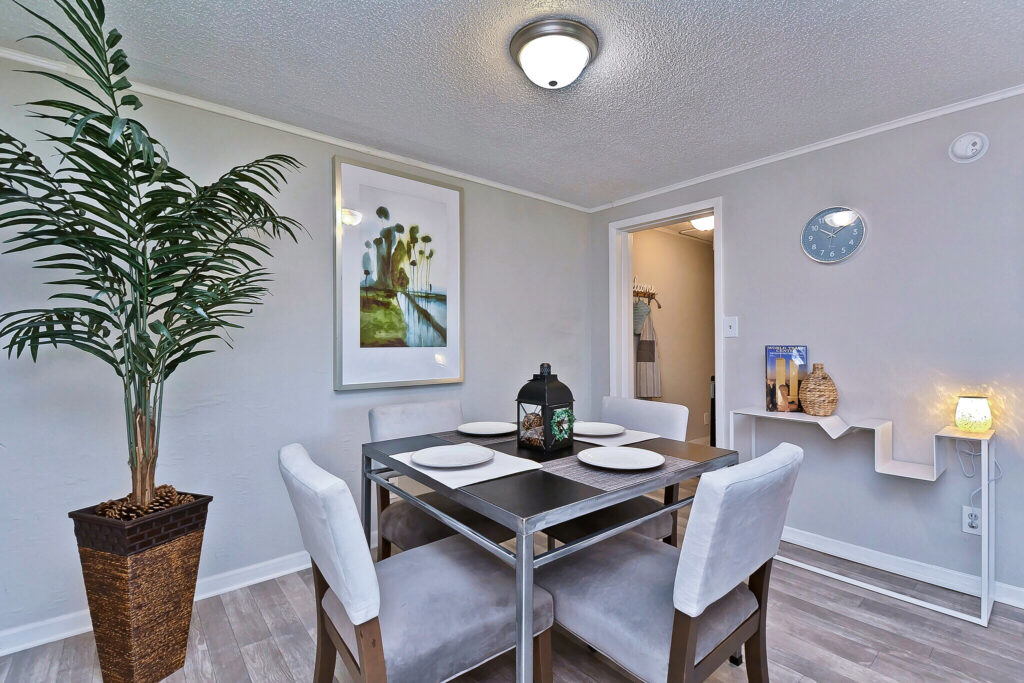
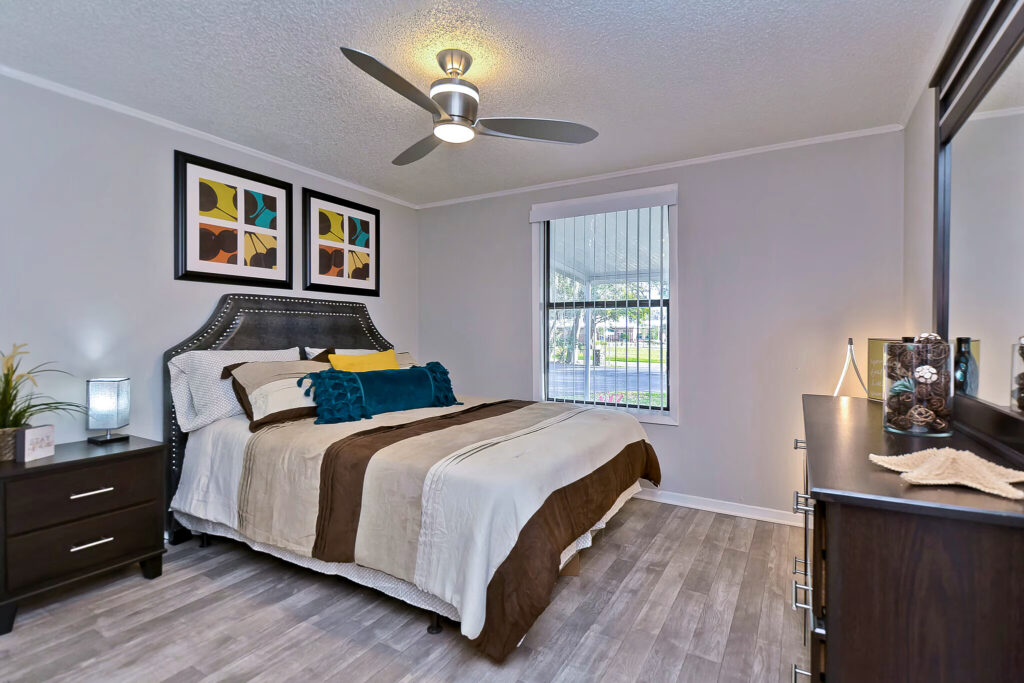
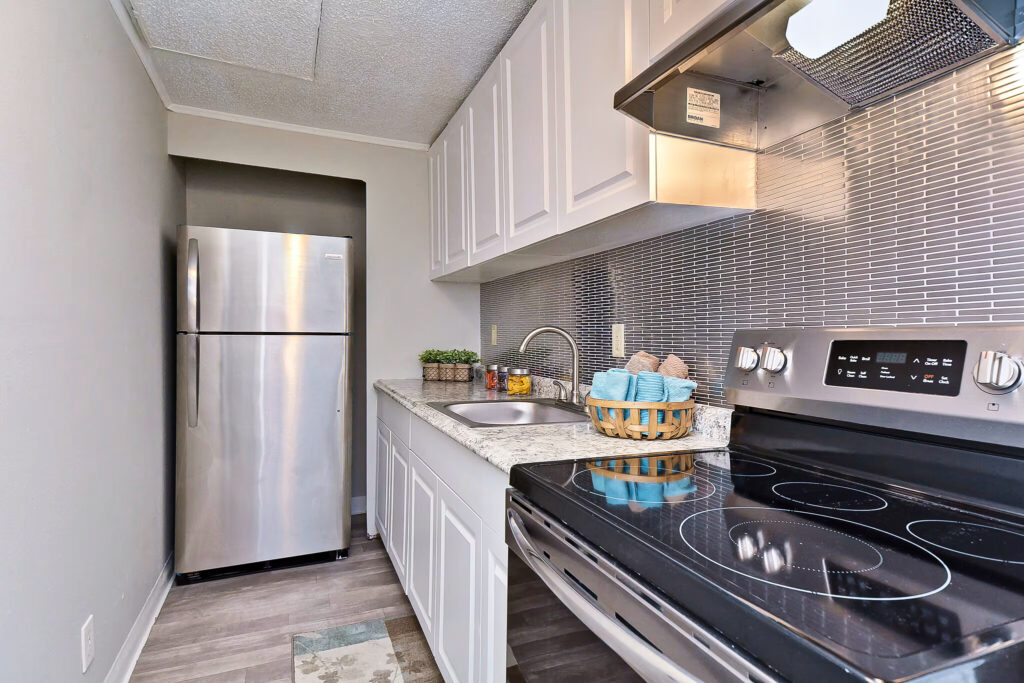
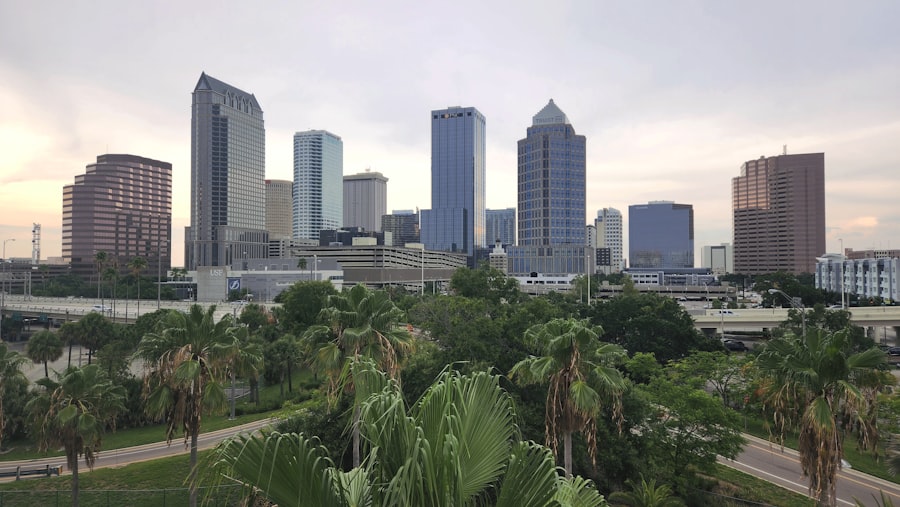
Tampa, Florida, a city known for its vibrant downtown, bustling Ybor City, and active waterfront, also harbors numerous enclaves designed for residents seeking respite from the urban hum. These quiet communities are not merely geographically separated but are often meticulously planned and maintained to foster an environment of tranquility. This article explores the various facets that contribute to the creation and preservation of peaceful living spaces within Tampa, examining the design principles, regulatory frameworks, amenities, and community dynamics that define these areas.
The concept of a “quiet community” in an urban environment like Tampa is multifaceted. It extends beyond the mere absence of noise pollution, encompassing elements such as low traffic volume, preserved natural spaces, architectural consistency, and a deliberate cultivation of a neighborhood ethos prioritizing peaceful coexistence. For prospective residents, identifying such communities requires a keen understanding of the nuances that differentiate them from their more boisterous counterparts.
The Auditory Environment
At the heart of a quiet community is its acoustic profile. Urban areas are inherently noisy, a symphony of traffic, construction, and human activity. Quiet communities actively mitigate these elements. This can be achieved through strategic geographical placement, often buffered by natural barriers like wetlands or extensive parklands, or through architectural design that incorporates sound-dampening materials and layouts. Consider the analogy of a well-insulated thermos: it keeps the internal environment distinct from the external, just as sound-conscious design separates residents from ambient city noise.
Visual Serenity and Open Spaces
Beyond sound, visual clutter and density can contribute to a sense of unease. Quiet communities often prioritize low-density development, ample green spaces, and meticulously maintained landscaping. These elements provide a visual balm, reducing the optical “noise” of urban sprawl. The presence of mature trees, manicured parks, and walking trails acts as a visual anchor, grounding residents in a more naturalistic setting. Imagine the difference between navigating a dense, concrete jungle and strolling through a verdant park; the latter offers an immediate sense of calm.
Traffic Management and Pedestrian Focus
High traffic volumes are antithetical to a quiet environment. Consequently, these communities often feature thoughtful traffic calming measures. This might include limited access points, reduced speed limits, strategically placed speed bumps, and design elements that prioritize pedestrian and bicycle traffic over vehicular thoroughfare. The aim is to transform roads from conduits for rapid transit into shared pathways, fostering a slower pace of life and encouraging outdoor activity without the constant drone of passing cars.
Design Principles and Architectural Consistency
The aesthetic and structural integrity of a quiet community play a significant role in its overall peaceful character. Adherence to specific design principles and maintaining architectural consistency contribute to a harmonious visual landscape, which in turn fosters a sense of order and tranquility.
Master-Planned Communities
Many of Tampa’s quiet communities are master-planned developments. This approach allows for a holistic design that integrates residential areas with amenities, green spaces, and infrastructure in a cohesive manner. The careful planning extends to street layouts, ensuring a logical flow that minimizes cut-through traffic, and to the placement of community facilities, making them easily accessible without disrupting residential zones. Think of a well-composed piece of music: each element is intentionally placed to contribute to the overall harmony.

Architectural Review Boards and Covenants
To maintain aesthetic consistency and prevent the visual dissonance that can arise from disparate architectural styles, many quiet communities in Tampa operate under the oversight of architectural review boards. These boards enforce covenants, conditions, and restrictions (CC&Rs) that dictate approved architectural styles, exterior color palettes, landscaping standards, and even the type of fencing allowed. While some might perceive these regulations as restrictive, they are instrumental in preserving the community’s intended character and ensuring a cohesive visual identity. This acts as a protective shield, safeguarding the community’s aesthetic integrity.
Integration with Natural Landscapes
A hallmark of many peaceful Tampa communities is their seamless integration with the surrounding natural environment. This can involve building homes that utilize existing topography, preserving mature trees, and incorporating native landscaping. Communities might be designed around natural features such as lakes, conservation areas, or golf courses, leveraging these elements to provide residents with scenic views, recreational opportunities, and a sense of connection to nature. This thoughtful integration blurs the lines between built environment and natural splendor, enriching the living experience.
Regulatory Frameworks and Governance
The quietude of these communities is not solely a product of their physical attributes; it is often sustained through robust regulatory frameworks and effective governance structures. These mechanisms ensure adherence to established standards and provide a means for residents to collectively maintain their desired living environment.
Homeowner Associations (HOAs)
The vast majority of quiet communities in Tampa are governed by Homeowner Associations (HOAs). These organizations are crucial in upholding the community’s standards and bylaws. HOAs often manage common areas, landscaping, and community amenities. They enforce the CC&Rs, which cover aspects ranging from noise ordinances and parking regulations to architectural modifications and pet policies. An effective HOA acts as the steward of the community’s tranquility, ensuring that individual actions do not detract from the collective peace.
Noise Ordinances and Enforcement
Beyond the city’s general noise ordinances, many quiet communities establish their own, more stringent noise regulations. These might specify quiet hours, restrict the operation of loud machinery, or prohibit excessive noise from gatherings. The HOA or community management often plays a role in enforcing these ordinances, providing a direct channel for residents to address disturbances. This localized enforcement creates a responsive system for maintaining a peaceful acoustic environment.
Development Guidelines and Zoning
At a foundational level, the existence of quiet communities is often underpinned by specific zoning regulations enacted by Hillsborough County or the City of Tampa. These regulations might designate areas for low-density residential development, restrict commercial activity, or mandate buffers between residential zones and noisier thoroughfares. Furthermore, developers often adhere to self-imposed or negotiated guidelines that prioritize environmental preservation and community aesthetics, even exceeding minimum regulatory requirements. Zoning laws act as the skeletal structure, defining what can and cannot be built.
Amenities and Lifestyle Offerings
While dedicated to peace, quiet communities are not devoid of amenities. Rather, their offerings are often curated to support a tranquil and fulfilling lifestyle, emphasizing recreation, social connection, and well-being without generating excessive noise or activity.
Parks, Trails, and Green Spaces
A prevalent feature in these communities is an abundance of parks, walking trails, and expansive green spaces. These areas serve as vital conduits for recreation, offering residents opportunities for walking, jogging, cycling, and simply enjoying nature. The design often integrates these spaces into the residential fabric, making them easily accessible and fostering a sense of connection to the outdoors. These green arteries act as the lungs of the community, providing fresh air and a restorative environment.
Community Centers and Gathering Spaces
Many quiet communities feature elegantly designed community centers, clubhouses, or gathering spaces that provide residents with venues for social interaction, recreational activities, and community events. These spaces are typically designed with an emphasis on comfort and quiet enjoyment, offering amenities such as swimming pools, fitness centers, meeting rooms, and sometimes even libraries or co-working spaces. The emphasis is on facilitating community building in a respectful and non-disruptive manner.
Emphasis on Wellness and Recreation
Beyond traditional amenities, some quiet communities in Tampa prioritize wellness and holistic recreation. This might include dedicated yoga studios, meditation gardens, or walking paths specifically designed for contemplative strolls. The focus is on providing avenues for residents to de-stress and rejuvenate, reinforcing the community’s commitment to a peaceful and healthy lifestyle. These amenities serve as invitations to introspection and calm.
Community Dynamics and Resident Expectations
Ultimately, the sustained tranquility of a community is a product of its inhabitants. The shared expectations, mutual respect, and active participation of residents are crucial in preserving the quiet ethos.
Shared Values and Expectations
Residents who choose to live in quiet communities typically share a common desire for peace and a slower pace of life. This shared value creates a foundation of mutual understanding and respect, where neighbors instinctively contribute to the maintenance of the tranquil environment. This implicit social contract is a powerful force in shaping the community’s character. Imagine a silent orchestra where each musician understands their role in creating harmony without explicit direction.
Neighborly Conduct and Respect
In these communities, there is often a heightened awareness of neighborly conduct. This includes being mindful of noise levels, respecting property boundaries, and contributing to the overall cleanliness and aesthetic appeal of the neighborhood. Conflict resolution, when necessary, is often approached with a focus on preserving community harmony. The emphasis is on fostering good neighbor relations through proactive consideration.
Active Participation in Community Life
While seeking quiet, residents in these communities are often actively engaged in their HOAs and community initiatives. This participation empowers them to collectively address concerns, enforce standards, and guide the future development of their community. Their involvement ensures that the resident voice remains central to decisions that impact their peaceful living environment. This active engagement is the heartbeat of the community.
In conclusion, the quiet communities of Tampa, Florida, are not accidental byproducts of urban development. They are meticulously designed, thoughtfully governed, and actively nurtured environments that offer a deliberate refuge from the city’s ceaseless energy. For those seeking a sanctuary where peace and tranquility are paramount, these communities stand as testaments to the art of creating harmonious living spaces within an evolving metropolitan landscape. They serve as a reminder that even in the heart of a vibrant city, pockets of profound calm can be found, sustained by careful planning, robust regulation, and the collective desire of their inhabitants for a serene existence.
FAQs
What is Quiet Communities Tampa FL?
Quiet Communities Tampa FL is an initiative or organization focused on promoting peaceful and noise-free living environments within the Tampa, Florida area. It aims to reduce noise pollution and enhance the quality of life for residents.
Why is noise reduction important in Tampa communities?
Noise reduction is important because excessive noise can lead to health issues such as stress, sleep disturbances, and hearing loss. In Tampa, reducing noise pollution helps create a more comfortable and healthy living environment for all residents.
What measures are taken to maintain quiet communities in Tampa?
Measures may include enforcing local noise ordinances, promoting community awareness about noise pollution, encouraging the use of soundproofing materials, and organizing neighborhood initiatives to monitor and report excessive noise.
Who can participate in Quiet Communities Tampa FL efforts?
Residents, local businesses, community organizations, and government agencies can all participate in efforts to maintain quiet communities by adhering to noise regulations and supporting noise reduction programs.
Where can I find more information about noise regulations in Tampa?
Information about noise regulations in Tampa can be found on the official City of Tampa website, local government offices, or through community organizations involved in noise control and public health initiatives.